





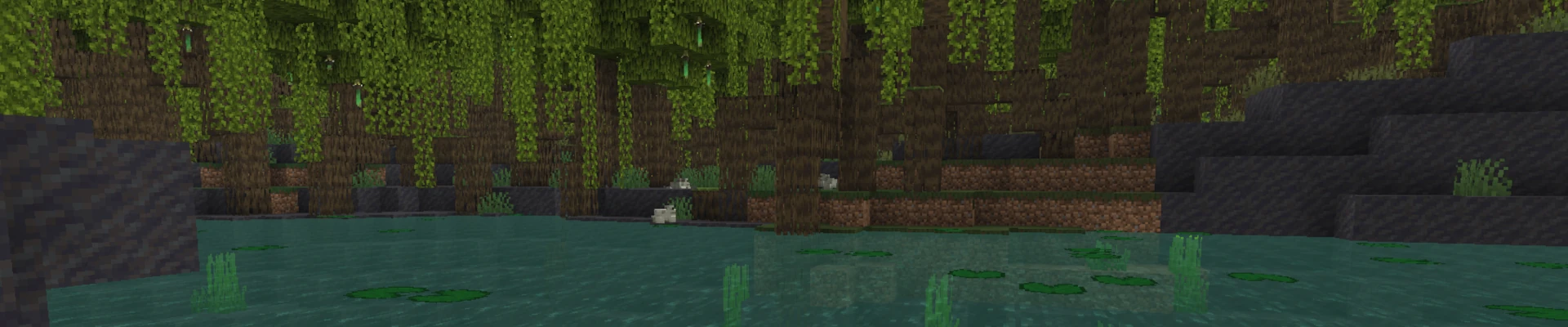
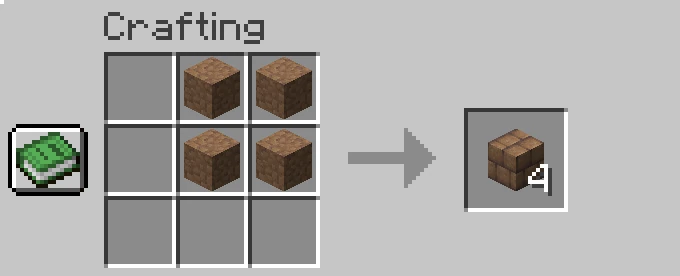
The Mangrove Swamp is a uniquely atmospheric biome in Minecraft, resembling a lush, waterlogged landscape filled with dense vegetation, muddy terrain, and towering mangrove trees. This biome stands out not only for its appearance but also for its functionality — it’s the only place where you’ll naturally find frogs, propagules (used to grow mangroves), and mud, which can be processed into clay or crafted into mud bricks for building.
What makes the Mangrove Swamp even more special is the fact that all of these features appear exclusively together in this biome. For players interested in farming rare resources, experimenting with new blocks, or breeding unique mobs, it’s a must-visit location.
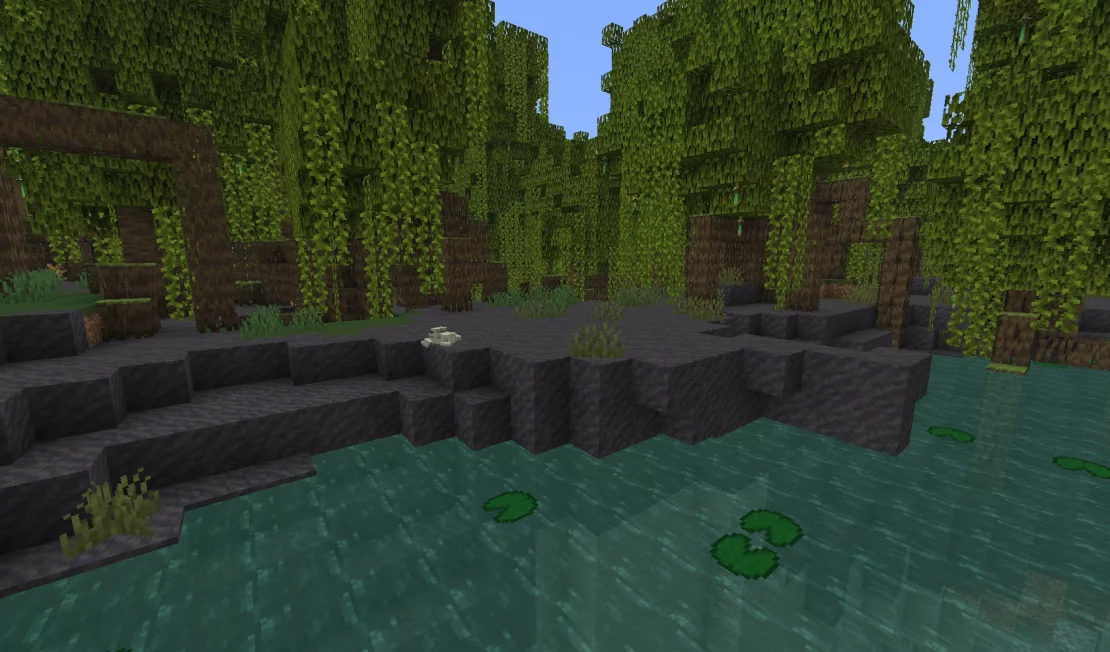
How to find Mangrove Swamp in Minecraft
The Mangrove Swamp is one of the rarer and more atmospheric biomes in Minecraft, and finding it can take some time. This biome generates exclusively in warm climate zones, most commonly on low ground near tropical oceans, jungles, or classic swamp biomes. It usually doesn’t appear in mountainous or cold regions, so focus your search on low-lying, humid areas.
If you have access to Creative Mode, you can use the following command and teleport directly to the nearest Mangrove Swamp:
/locate biome minecraft:mangrove_swampMangrove Trees and Mangrove Propagule in Minecraft
Mangrove trees are among the most distinctive and unique trees in Minecraft, with a completely different growth cycle compared to traditional tree types. Instead of dropping regular saplings, mangroves reproduce through special saplings called Mangrove Propagules. These are green, pod-like growths that hang directly from the leaves of mature trees – and interestingly, they can begin growing before they even fall off.
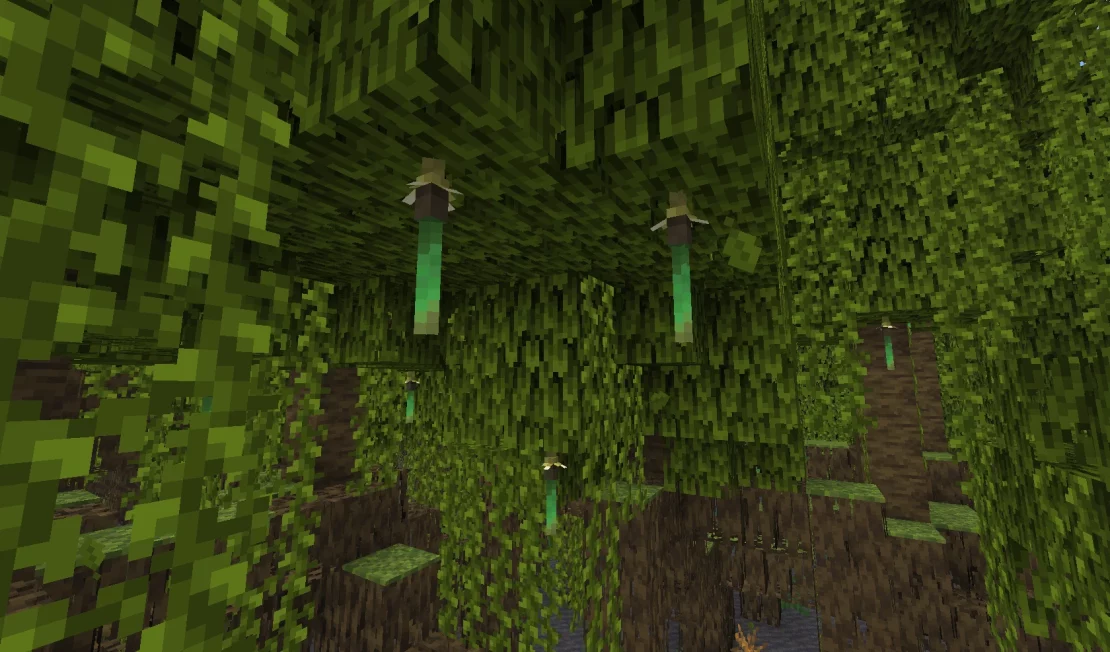
Propagules are also unique because they can be planted both on land and underwater. All they need is space, moisture, and suitable ground – they do not require light to grow, unlike most other saplings. You can also speed up their growth using bone meal, making them ideal for fast farming.
Mangrove wood has a deep reddish-brown color that makes it perfect for creative building projects. From a single tree, you can also collect Mangrove Roots, which can be used as decorative blocks or as fuel in furnaces (though they aren’t very efficient).
Frogs and Froglights
Frogs are some of the most interesting creatures in Minecraft, and they come in three variants depending on the biome where the tadpole grows up: orange (temperate), green (cold), and white (hot). While frogs are adorable on their own, their real value lies in their ability to produce Froglights – decorative, glowing blocks. To obtain one, you need to get a frog to eat a small magma cube. The color of the frog determines the color of the Froglight: yellow, green, or purple.
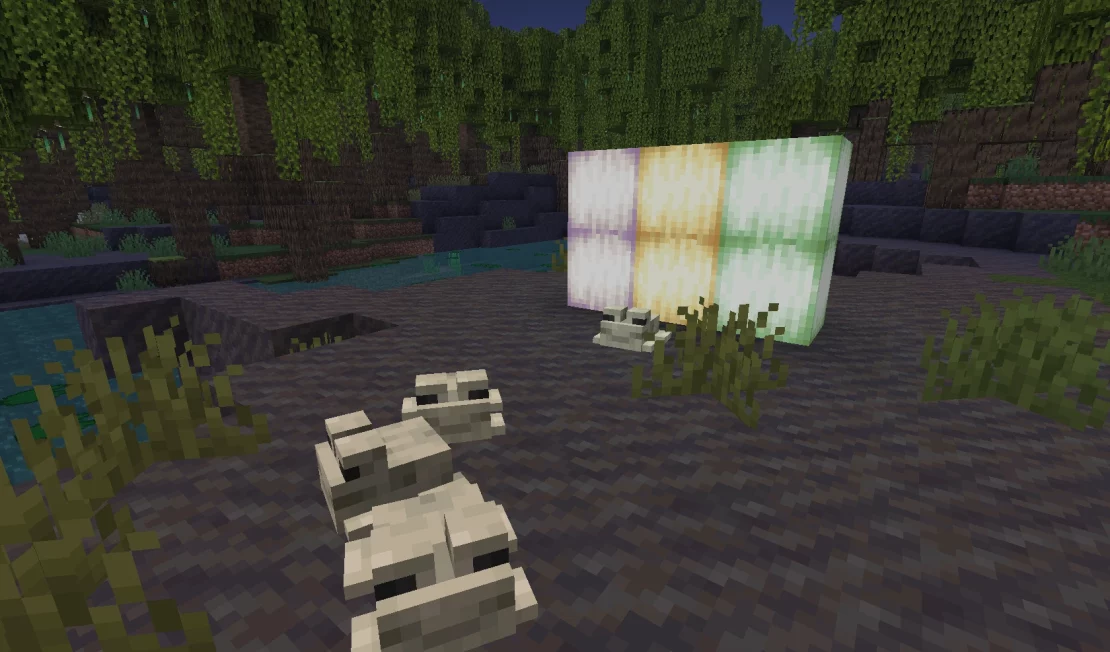
Froglights emit a light level of 15, the same as a torch or lantern, but they look far more modern and stylish. They can be used as decorative light sources in your base, garden, or even underwater builds.
Mud – how to get it and what it’s used for
Mud naturally generates only in the Mangrove Swamp biome. It covers a large portion of the swamp’s surface and immediately stands out thanks to its wet texture and the distinct squelching sound it makes when you walk on it. You can collect mud blocks using a shovel, which is quick and efficient.
Interestingly, you can also create mud manually outside of the biome – simply right-click a regular dirt block with a water bottle, and it will turn into mud.
Mud has several interesting uses:
- You can dry it into clay by placing it on top of a soul sand block with a hopper underneath.
- You can combine it with wheat to craft packed mud, which can then be used to create mud bricks – a very aesthetic building material with a rich brown color.