







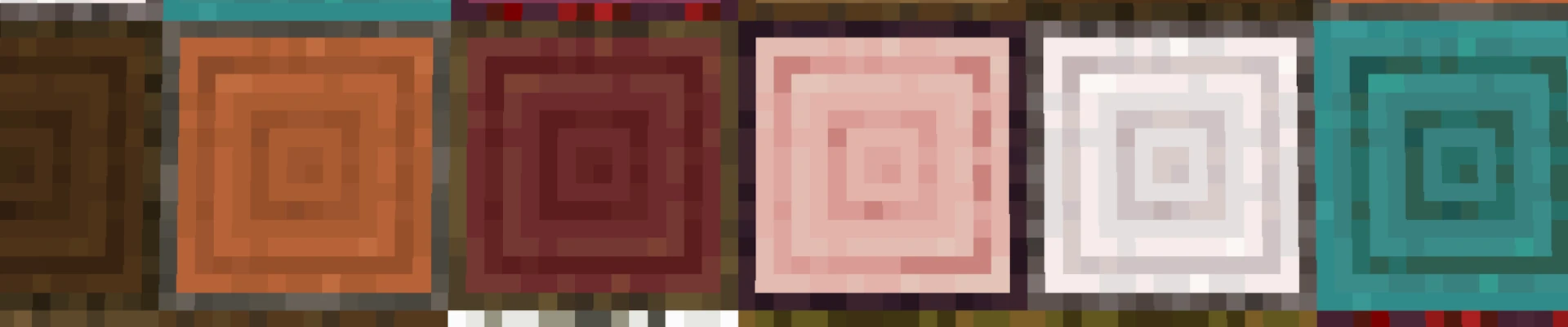
Wood is one of the most important and versatile resources in the world of Minecraft. It’s used to craft items such as weapons, boats, chests, ladders, beds, fences, and many more. Additionally, it serves as the primary building material for simple houses and larger constructions alike. The game features 11 different types of wood, each with its own unique color, texture, and biome where it can be found. In addition to these, there is also bamboo, a special wood-like material that can be crafted and used in much the same way as regular wood.
Full List of All Wood Types in Minecraft
Below you’ll find a complete list of all wood types available in the game, along with a description of their origin.
1. Acacia Wood
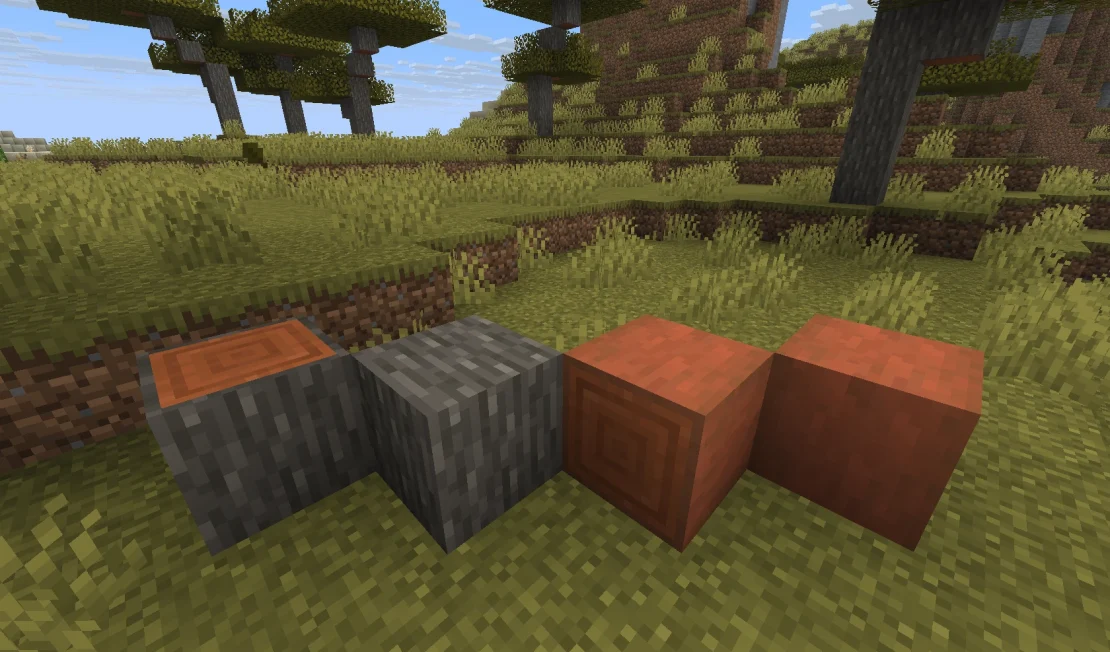
Acacia Wood can be obtained from the distinctive Acacia Tree, which grows in the warm, dry biomes of Minecraft: Savanna, Savanna Plateau, and Windswept Savanna. These trees form atmospheric, leaning shapes reminiscent of real-life acacias found on real savannas. They usually generate in irregular forms with twisted, horizontal branches. The Acacia Logs you gather have a grayish outer bark and a vibrant orange interior, making them perfect for building colorful, desert-themed structures. Savanna Villages are built primarily from this material as well, making them an excellent source of Acacia Wood.
2. Birch Wood
Birch Wood can be obtained from the distinctive Birch Trees, one of the most common tree types in Minecraft. Birches naturally grow in several biomes such as Birch Forest, Old Growth Birch Forest, and regular Forest, where they often appear alongside oak trees. Their tall, white trunks with black patches make them visually striking, and they typically grow straight upward without any complex branching. Birch Logs have light bark and a very pale, creamy interior, which makes Birch Planks perfect for modern, minimalist structures as well as cozy builds. A particularly interesting location is the Old Growth Birch Forest, where birch trees can reach impressive heights, allowing you to collect large amounts of wood in one place.
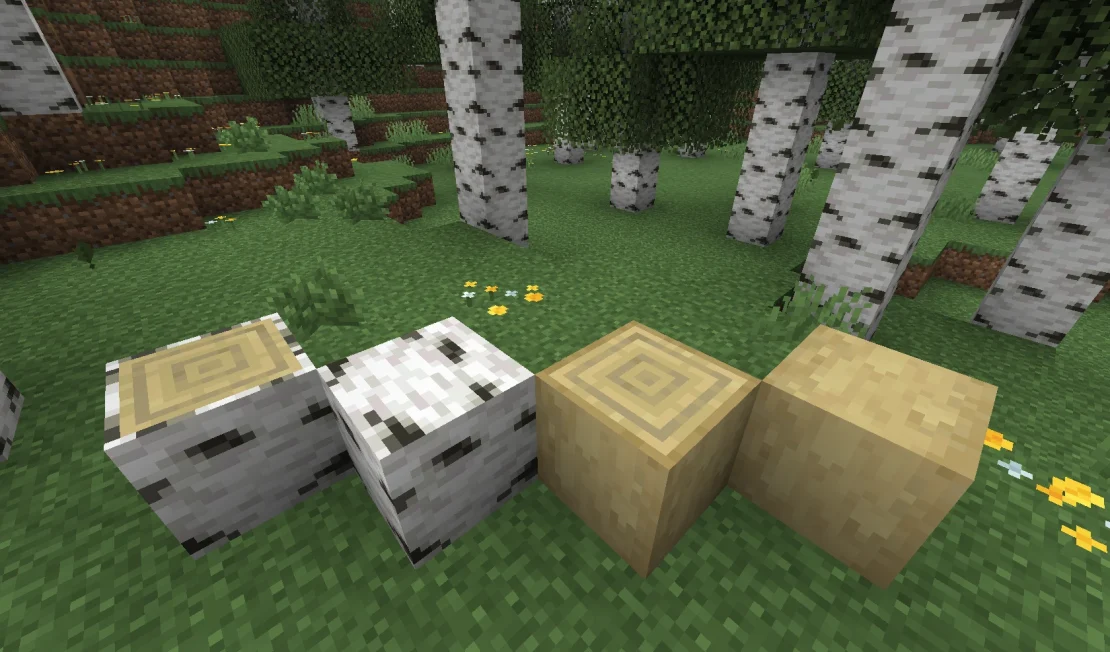
3. Cherry Wood
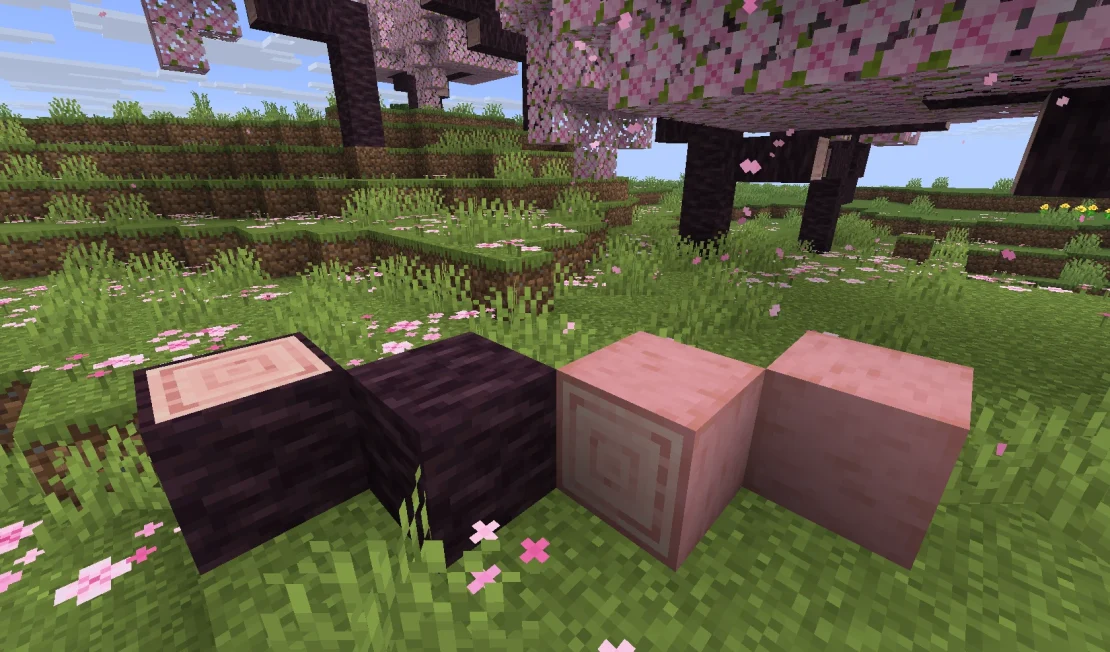
Cherry Wood can be obtained from Cherry Trees, which appear exclusively in one distinctive biome – the Cherry Grove. This is a spring-themed biome that generates on mountain slopes and among rolling hills, covered with gentle pink petals falling from the nearby trees. Cherry Trees feature delicate pink leaves and darker trunks, and their shape is usually wide and spreading, with large canopies resembling blooming cherry blossoms. Cherry Logs have a light, soft pink interior, making them a perfect block for building romantic, pastel-themed structures.
4. Crimson Hyphae
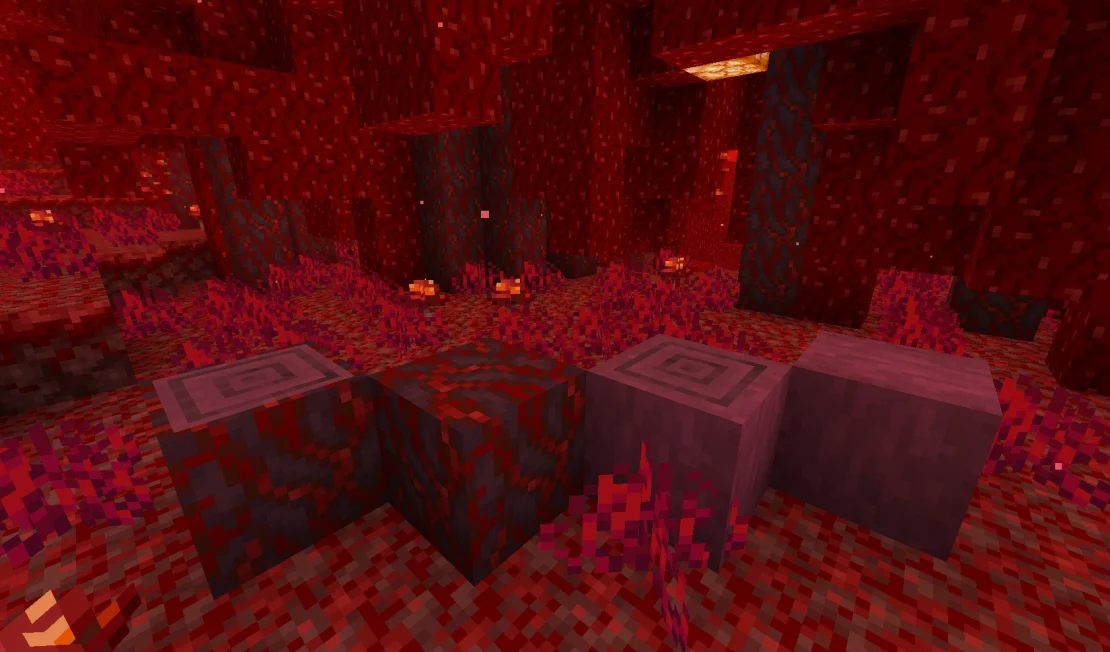
Crimson Hyphae can be obtained exclusively from Crimson Stems, which grow in the Nether biome known as the Crimson Forest. These are not trees in the traditional sense, but massive fungal structures that serve the role of trees within the Nether. Crimson Stems have a dark, intensely red exterior, while their interior is bright and vibrant red. This material is highly valued for its unique color, making it perfect for building dark nether-themed constructions and demonic fortresses.
5. Dark Oak Wood
Dark Oak Wood can be found exclusively in the dense, shadowy Dark Forest biome. This quiet, mysterious forest is filled with thick canopies that block most of the sunlight, and huge mushrooms appear among the trees. Dark Oak Logs have a deep brown tone with almost black bark, and their interior wood is rich and saturated, making it perfect for building medieval or gothic-style structures. Dark Oak is also the primary material used to build Woodland Mansions – massive structures inhabited by Illagers.

6. Jungle Wood
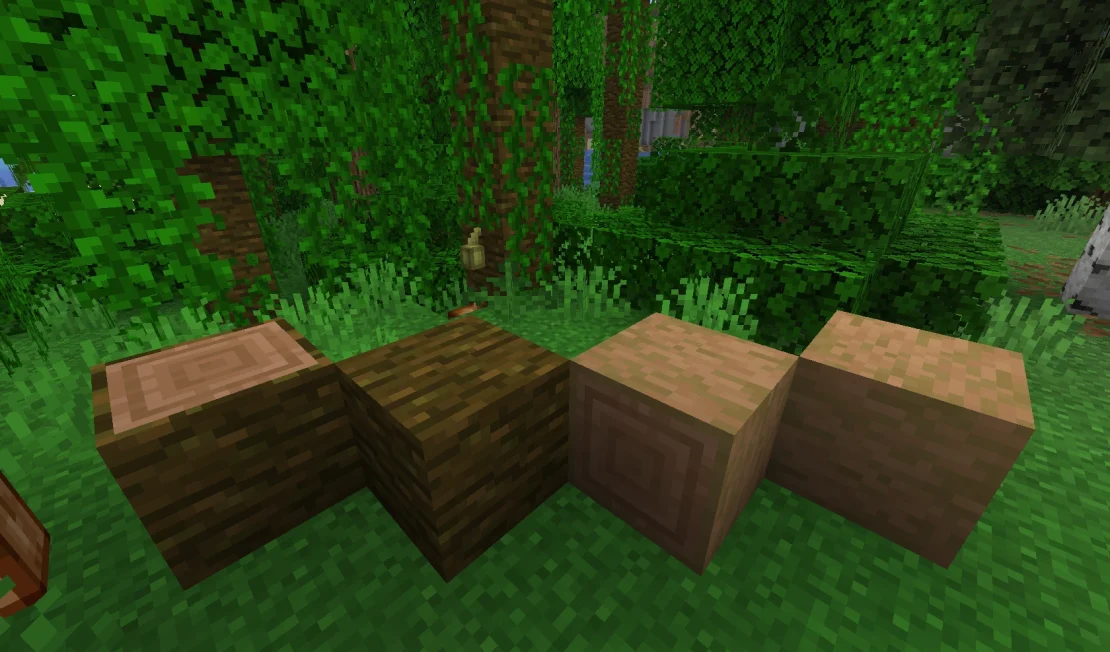
Jungle Wood can be obtained from Jungle Trees, which naturally grow in the dense biomes of Jungle and Sparse Jungle. These are lush, tropical environments filled with leaves, vines, and exotic vegetation, where trees appear in various sizes – from small, single trunks to massive versions reaching high above the jungle canopy. Jungle Logs have a warm brown tone, making them perfect for building treehouses or nature-inspired bases.
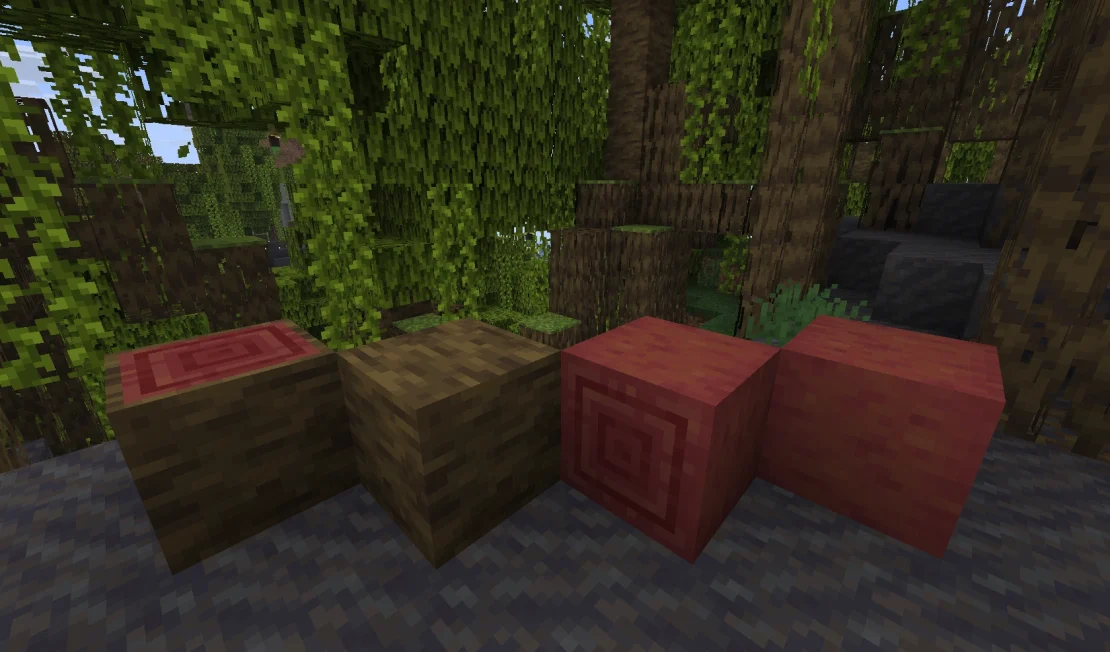
7. Mangrove Wood
Mangrove Wood is obtained from Mangrove Trees, which naturally grow in the distinctive, swampy Mangrove Swamp biome. This area is characterized by a dense network of roots, muddy terrain, and dark green, lush vegetation. The trees grow on large, sprawling root structures similar to real mangroves, which makes chopping them down a bit different from other tree types. Before you reach the main trunk, you often need to remove several layers of roots.
Mangrove Logs have a deep red interior, making them perfect for building tropical, natural-looking structures that contrast beautifully with the green leaves and muddy environment. Interestingly, these trees do not grow from traditional saplings but from propagules, which develop on the branches of mangrove trees. They can be planted directly in water as well as on land, making mangroves one of the most unique tree types in Minecraft.
8. Oak Wood
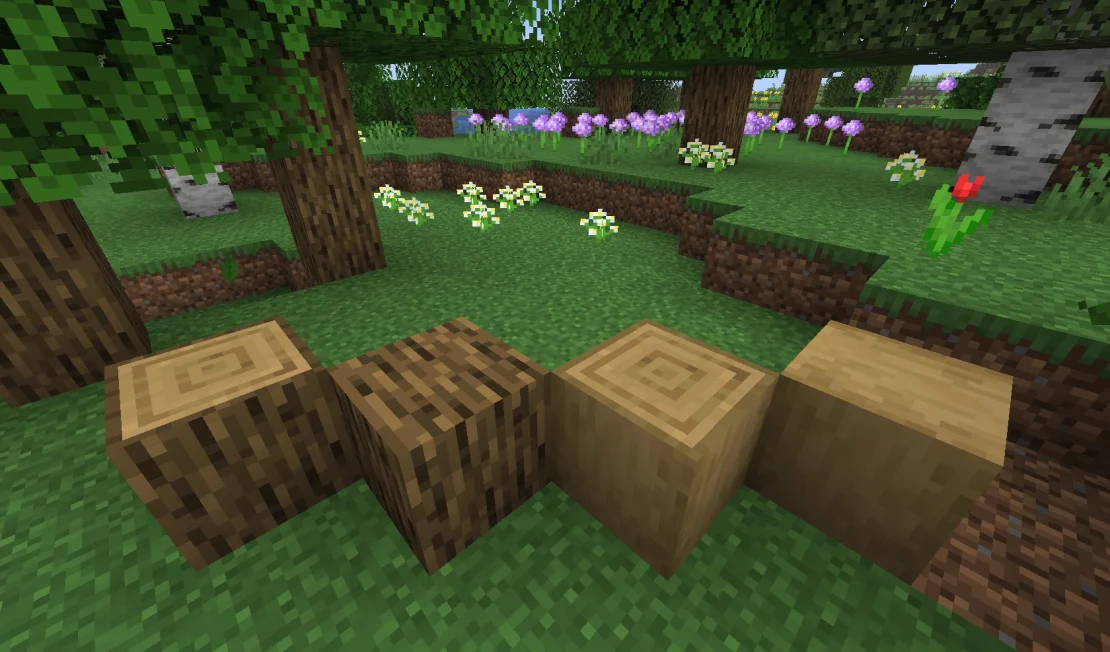
Oak Wood is the most classic and most common type of wood in Minecraft, found across many biomes – including Plains, Forest, Flower Forest, and other temperate regions of the world. Because of its wide availability, it’s often the first type of wood players collect in their early minutes of gameplay. Oak Logs have a neutral brown tone and fit perfectly with almost any building style, from simple cottages to castles and modern houses.
9. Pale Oak Wood
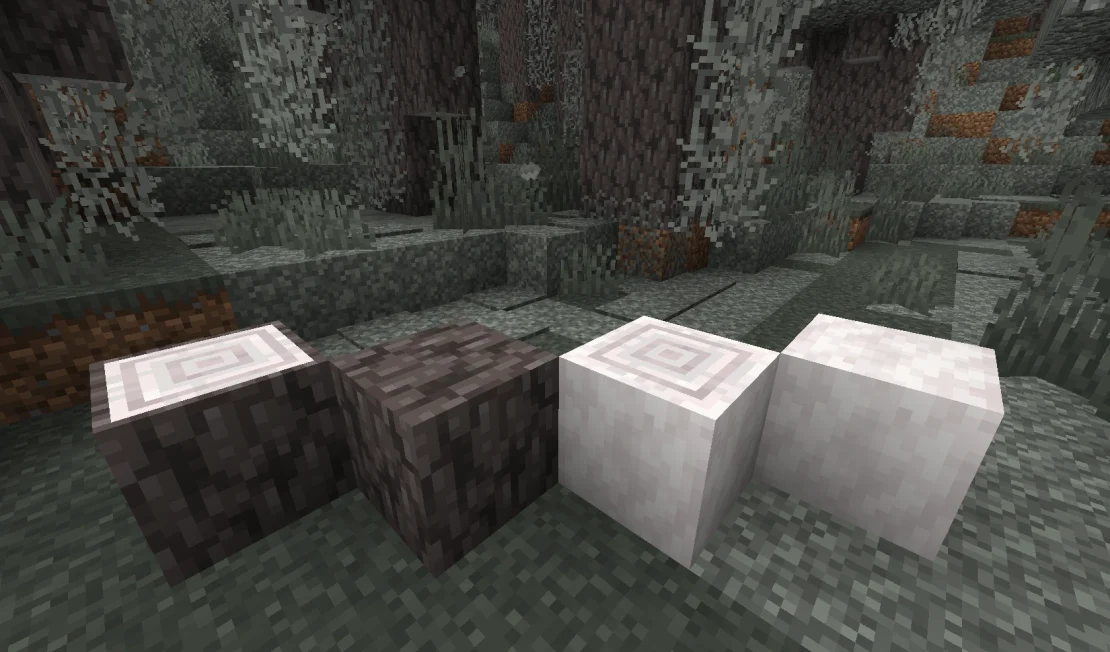
Pale Oak Wood appears exclusively in the calm, bright Pale Garden biome. It is a fairly rare and unique area, characterized by gentle, soft vegetation. Pale Oak Trees resemble classic oak trees, but their bark is lighter, and the wood itself is extremely pale – almost creamy, with a slightly cool undertone. The interior of the logs is exceptionally light, which makes the resulting blocks perfect for building elegant, pastel-themed structures. Additionally, Pale Oak pairs beautifully with Cherry Wood, creating light, aesthetically pleasing color combinations.
10. Spruce Wood
Spruce Wood can be obtained from Spruce Trees, which grow mainly in cold and mountainous biomes such as Taiga, Snowy Taiga, Old Growth Taiga, and Windswept Forest. These tall, slender trees resemble Christmas trees and are often covered in snow, giving the area a rugged, wintry atmosphere. Spruce Logs have a dark, cool shade of brown, making them perfect for building mountain cabins, fortresses, or Nordic-style constructions.

11. Warped Hyphae
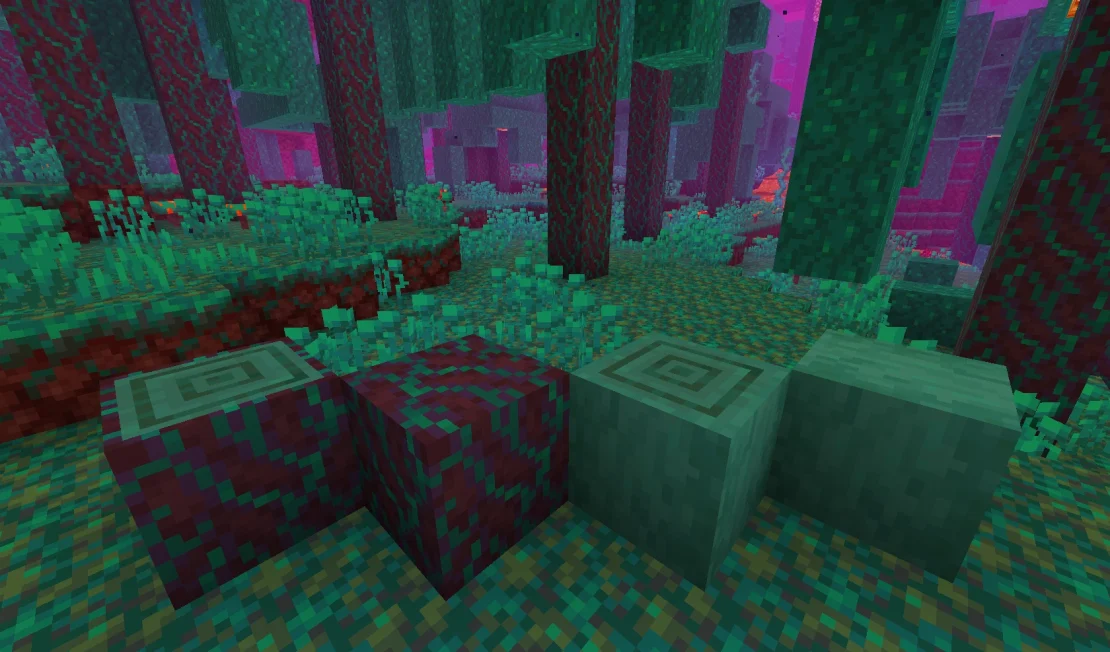
Warped Hyphae can be obtained from Warped Stems, which grow exclusively in the Warped Forest biome. This Nether location is one of two fungal forests, featuring cool blue and turquoise tones that give it a mystical atmosphere. Warped Stems are not trees but massive fungal structures composed of blocks with a greenish-turquoise interior. They are perfect for building magical, Nether-themed constructions.
Special Wood-Like Material: Bamboo
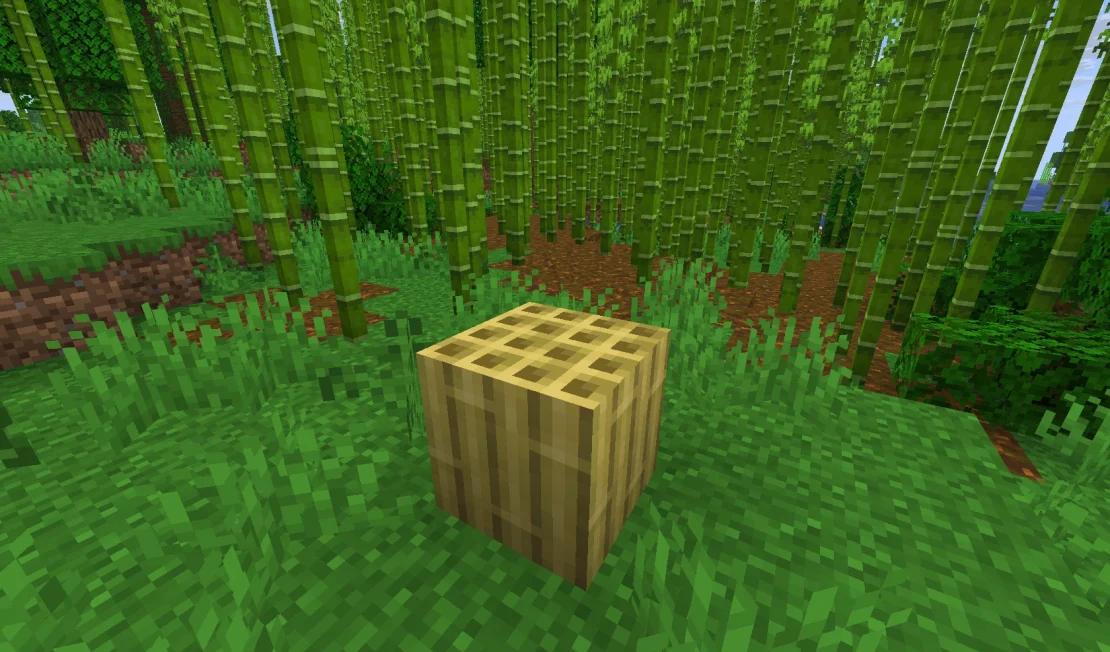
Bamboo is a unique material found in the Jungle, Sparse Jungle, and of course, Bamboo Jungle biomes. It grows extremely fast, making it one of the most renewable resources in the entire game. Once collected, it can be crafted into Bamboo Planks, giving it similar properties to regular wooden blocks. From this material, you can craft almost all wooden items such as beds, stairs, doors, fences, boats, and trapdoors. Thanks to its light yellow tone and distinctive texture, bamboo gives builds a light, exotic, and modern look.
How to Grow Trees in Minecraft
Planting trees in Minecraft is one of the most basic and useful skills, especially at the beginning of the game. It allows you to quickly gather wood without having to go on long journeys through different biomes. Each type of sapling has its own requirements regarding space and growth conditions, so it’s worth learning a few simple rules to make your tree farming effective.
Which Blocks Can You Plant a Tree On in Minecraft
Most saplings, such as
- Oak Sapling
- Birch Sapling
- Spruce Sapling
- Jungle Sapling
- Acacia Sapling
- Dark Oak Sapling
- Cherry Sapling
- Pale Oak Sapling
can be planted on common soil blocks:
- Dirt
- Grass Block
- Podzol
- Coarse Dirt
- Rooted Dirt
- Moss Block
- Pale Moss Block
- Farmland
- Mud
- Muddy Mangrove Roots

The exceptions are:
- Mangrove Propagules, which can be planted on land, Mud, or directly in Water.
- Crimson and Warped Fungus from the Nether, which require special blocks – Crimson Nylium and Warped Nylium, respectively.
Tree Growth Conditions in Minecraft
Most classic saplings, such as Oak, Birch, Acacia, Cherry, or Pale Oak, have very similar growth requirements. They need a light level of at least 8 and around 5–7 blocks of free space above them to grow properly. Spruce has similar needs but requires about 8–10 blocks of vertical space. In its case, you can try growing a Mega Spruce Tree by planting four saplings in a 2×2 formation. A similar rule applies to Dark Oak, which only grows in a 2×2 layout but requires about 12 blocks of vertical clearance above.
In addition to the classic saplings, it’s worth mentioning the Mangrove Propagule, which can even be planted directly in water, as long as it has a minimum light level of 8 and about 12 blocks of free space above it.
In the case of the Nether fungi (Crimson and Warped), light doesn’t matter at all – they can grow even in complete darkness and only need about 10 blocks of free space above them.
Want to gather every wood type for your next build? Minecraft server hosting lets you and your friends explore together.