






Minecraft offers an incredibly vast and diverse world filled with unique regions that affect gameplay, available resources, mobs, climate, and even your playstyle. Each biome has its own environmental characteristics – from peaceful plains and flower-filled meadows to scorching deserts, mysterious jungles, and the hellish Nether. Understanding these biomes is the key to survival, efficient resource gathering, and discovering hidden structures. In this article, we will explore all existing biomes in Minecraft in the latest version of the game.
Full List of Minecraft Biomes
From peaceful overworld landscapes to dangerous dimensions, here’s every biome you can explore – and what awaits you there.
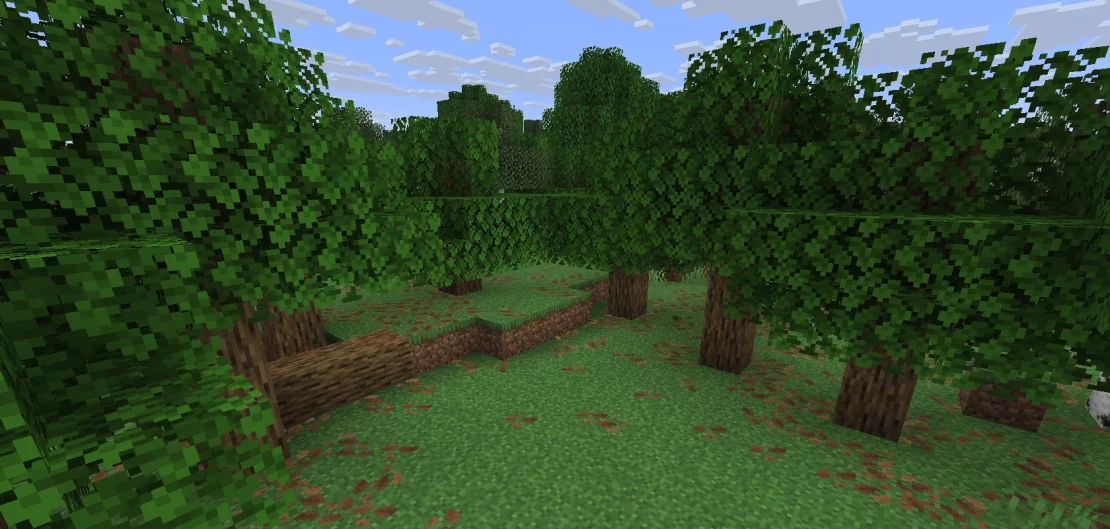
1. Forest
Forest is one of the first places you’ll encounter – it features mild, classic terrain filled with oak and birch trees, providing quick access to wood and vegetation. It serves as your foundation for survival and building at the start of the game.
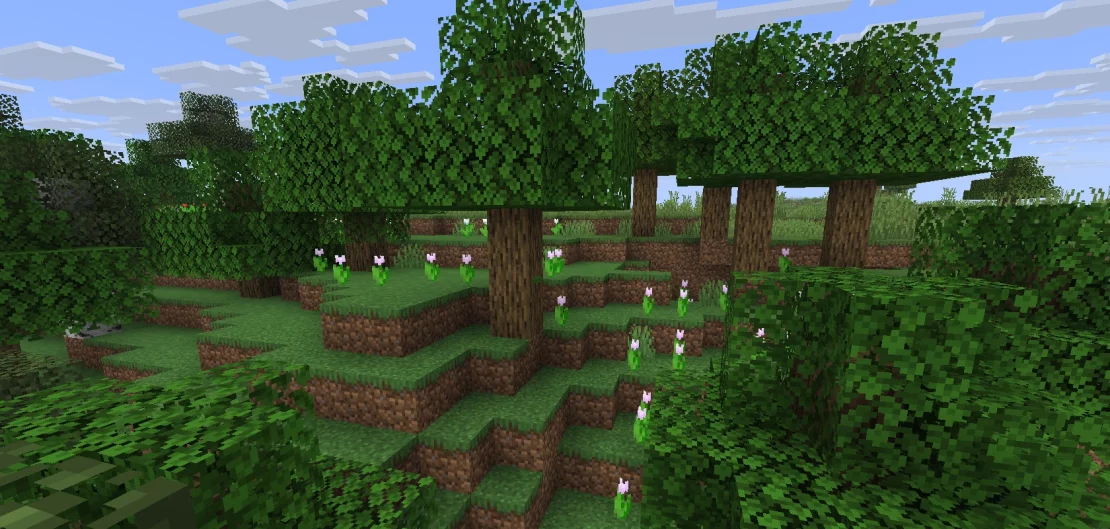
2. Flower Forest
Flower Forest is a colorful variant of the classic forest biome, characterized by rolling terrain filled with a wide variety of flowers and oak trees. It offers a beautiful, almost fairytale-like atmosphere and is an ideal location for players who enjoy beekeeping. Bee nests naturally generate here, making honey production much easier.
Flowers
Flower Forest contains the highest diversity of flowers in all of Minecraft, making it the best place for gathering dyes and breeding bees.
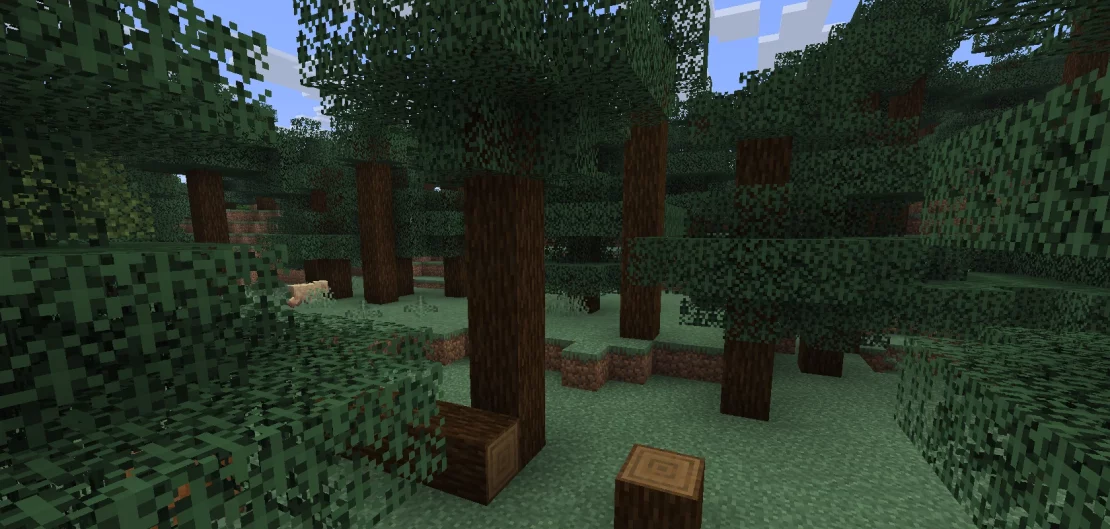
3. Taiga
Taiga is a cold biome covered with dense spruce trees and ferns. The terrain is wild and rugged, yet it provides quick access to spruce wood and sweet berry bushes.
Foxes
In the Taiga (and its variants), foxes can naturally spawn, known for their unique and charming behavior.
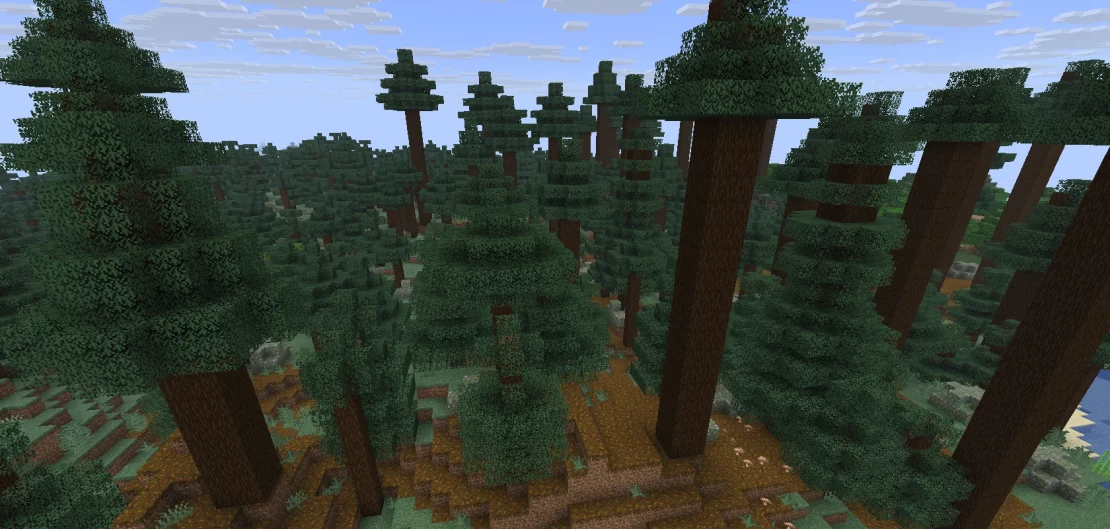
4. Old Growth Pine Taiga
It is a wild, densely forested region covered with huge spruce trees. The terrain is hilly and covered with podzol, giving it a rugged, natural appearance. This place resembles an ancient forest that has existed for thousands of years.
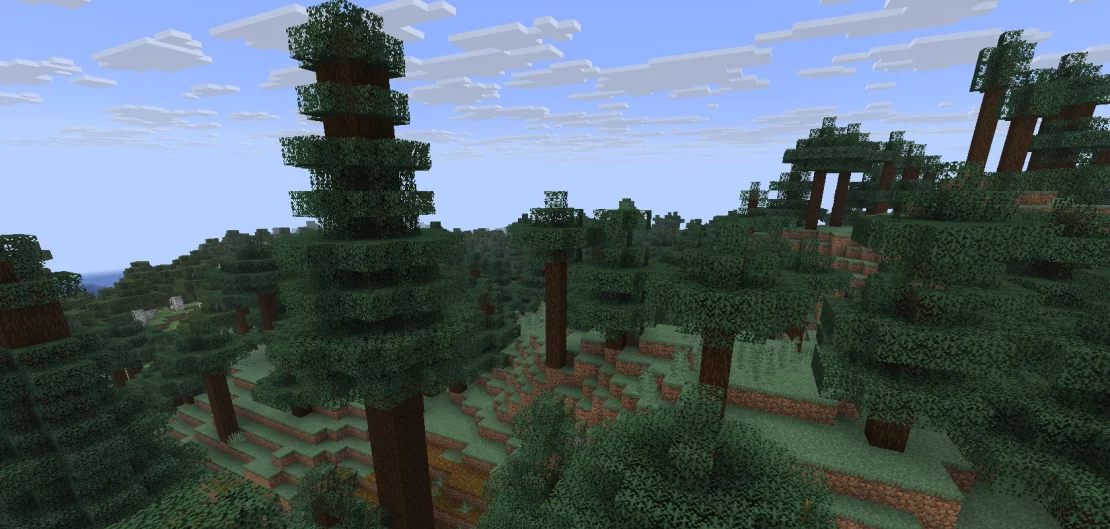
5. Old Growth Spruce Taiga
Here, even larger trees grow than in the Old Growth Pine Taiga, creating a tall natural canopy. The terrain is covered with moss and podzol, giving it an even more wild and untouched appearance, as if it has never been affected by civilization.
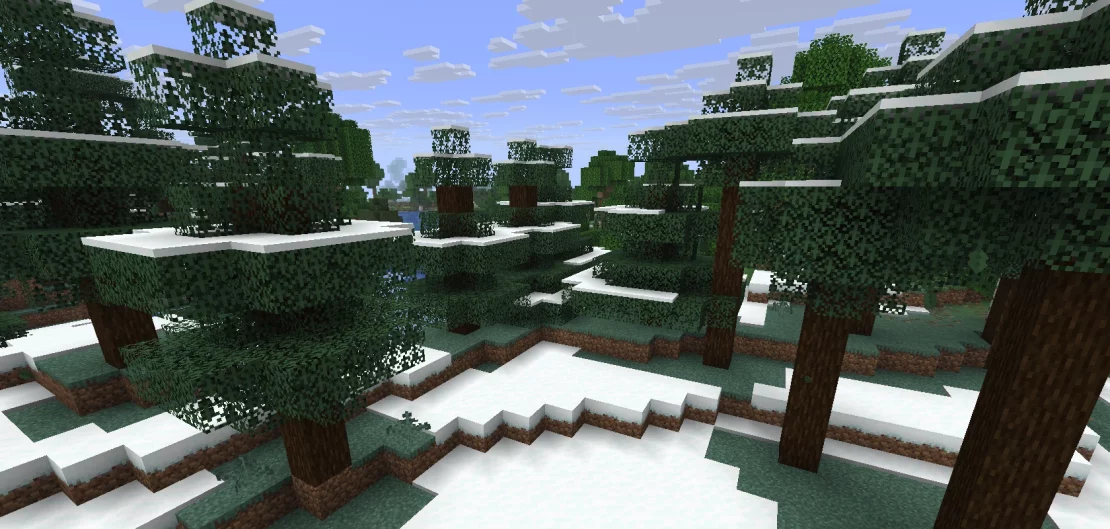
6. Snowy Taiga
A cold variant of the taiga where the terrain is covered in snow and spruce trees grow in a chilly climate. Water often freezes, and the landscape resembles icy, wild northern forests.
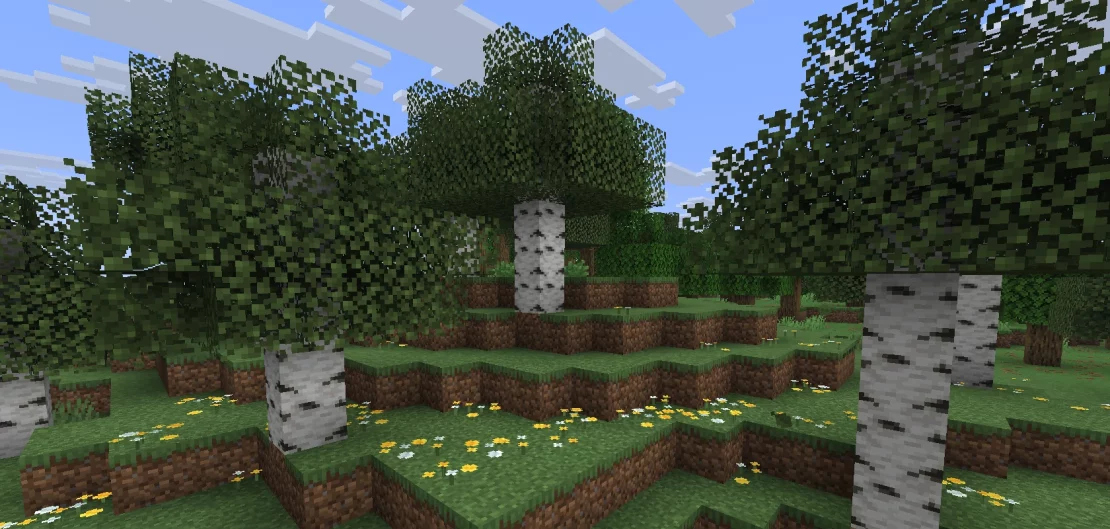
7. Birch Forest
A calm and green region dominated by birch trees with bright trunks, where the terrain is easy to explore. It is an ideal place for gathering birch wood.
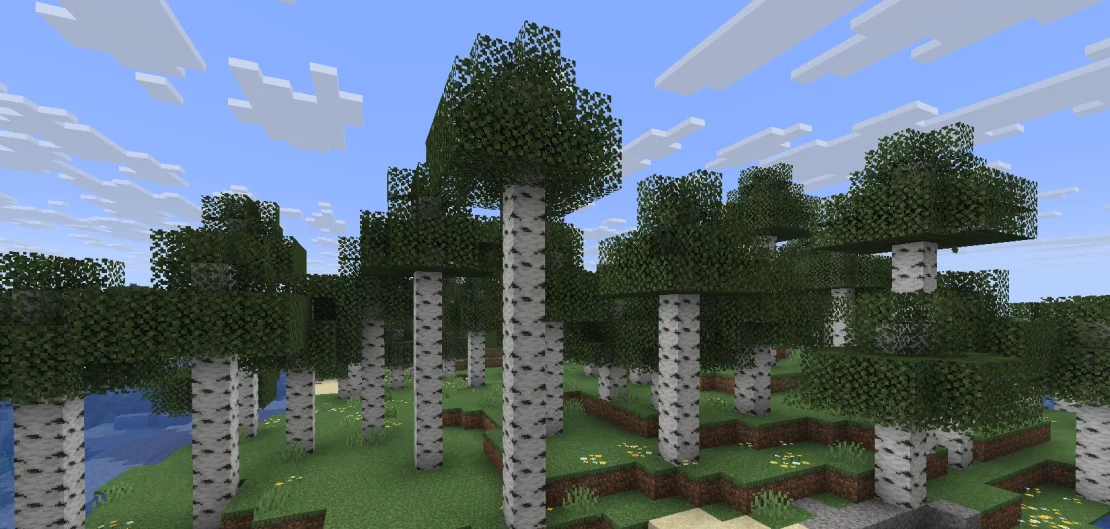
8. Old Growth Birch Forest
A natural area covered with tall birch trees that are significantly higher than those in regular birch forests. The trees reach an impressive height, yet the terrain still maintains its calm and peaceful character.
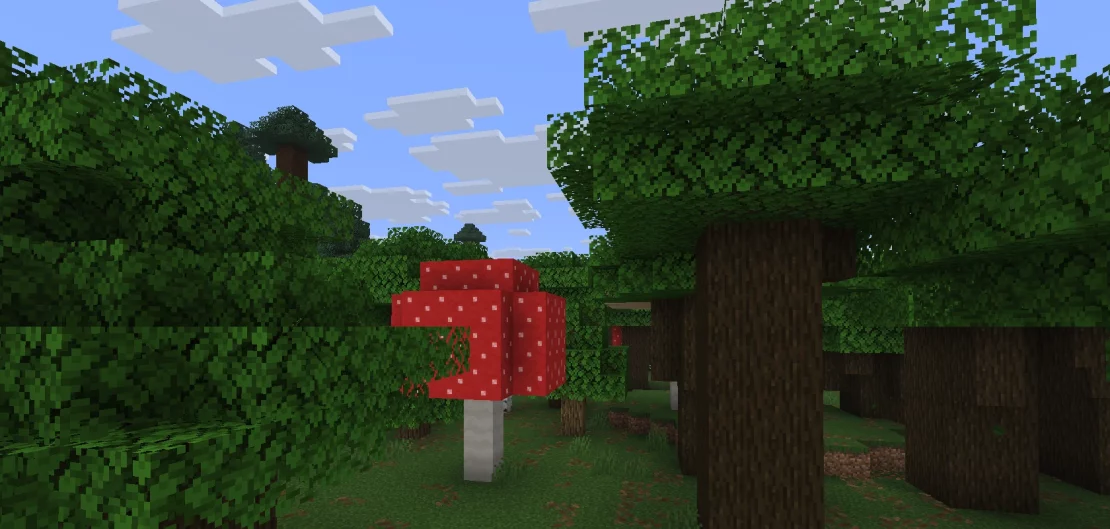
9. Dark Forest
Dark Forest is a shadowy biome where the canopies of Dark Oak trees create near-total darkness. The atmosphere is eerie and mysterious, with giant mushrooms growing beneath the trees. Even during the day, it remains dangerous due to the lack of light, which allows hostile mobs to spawn freely.
Woodland Mansion
In this biome, a Woodland Mansion can generate – one of the rarest structures in the game. This massive estate is filled with dangers in the form of Illagers such as Evokers and Vindicators. It is the only natural source of the Totem of Undying, making this location incredibly valuable for players seeking unique rewards.
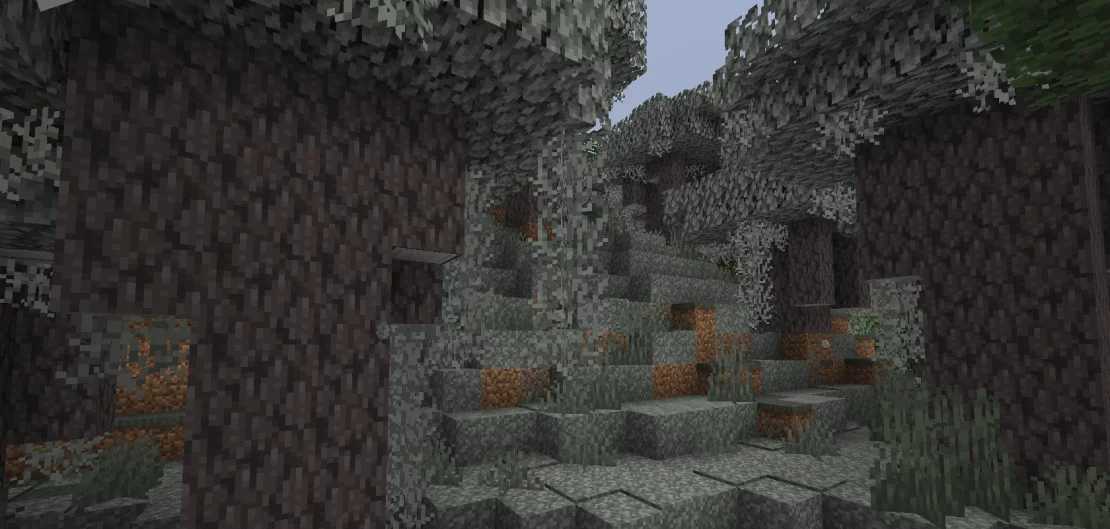
10. Pale Garden
Pale Garden stands out with its pale, almost ethereal color palette. It is covered with distinctive Pale Oak Trees, and the vegetation has a faded, ghostly appearance. The atmosphere is mysterious and unsettling, suggesting that this place hides ancient secrets beneath its tranquil surface.
Creaking
This biome is home to the unique mob known as the Creaking – a creature resembling a fusion of a spirit and a wooden golem. It moves silently and attacks from the shadows, becoming active at night or in dark areas. The Creaking will attack you when you look away from it, remaining motionless as long as you maintain eye contact. It can only be defeated by destroying the Creaking Heart hidden inside a Pale Oak tree.
Exploring every Minecraft biome is even more enjoyable when you host your own Minecraft server and discover the world with friends.
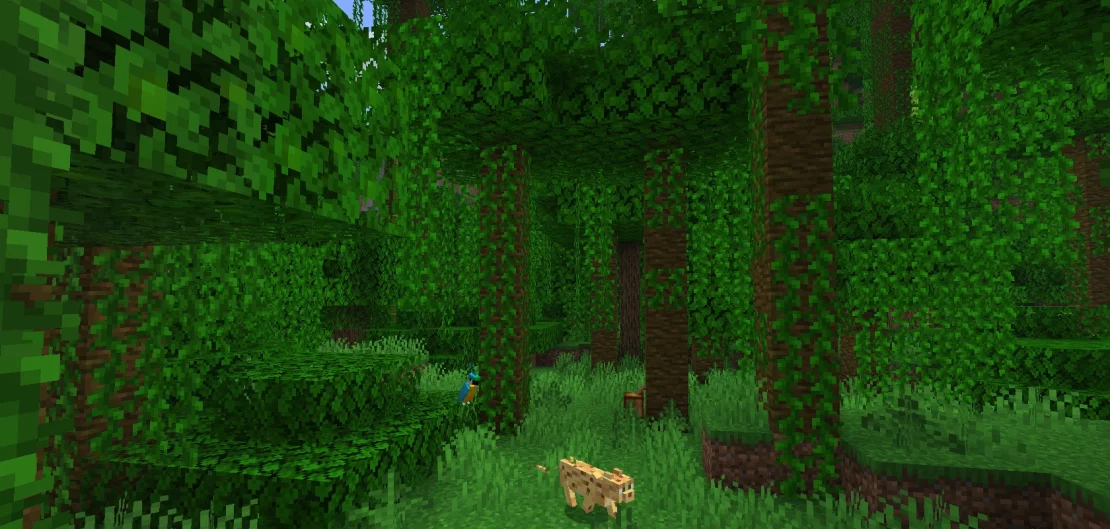
11. Jungle
Jungle is a tropical biome covered in vines and lush greenery, filled with ferns, bamboo, and melons. It is unique due to the presence of rare mobs such as pandas, parrots, and ocelots. The dense vegetation makes navigation challenging, but it also creates an exciting environment full of secrets.
Jungle Temple
Within this biome, you can find the exclusive Jungle Temple, a structure containing hidden chests with valuable loot and trap mechanisms like tripwires and arrow-shooting dispensers. It offers a rewarding challenge for explorers.
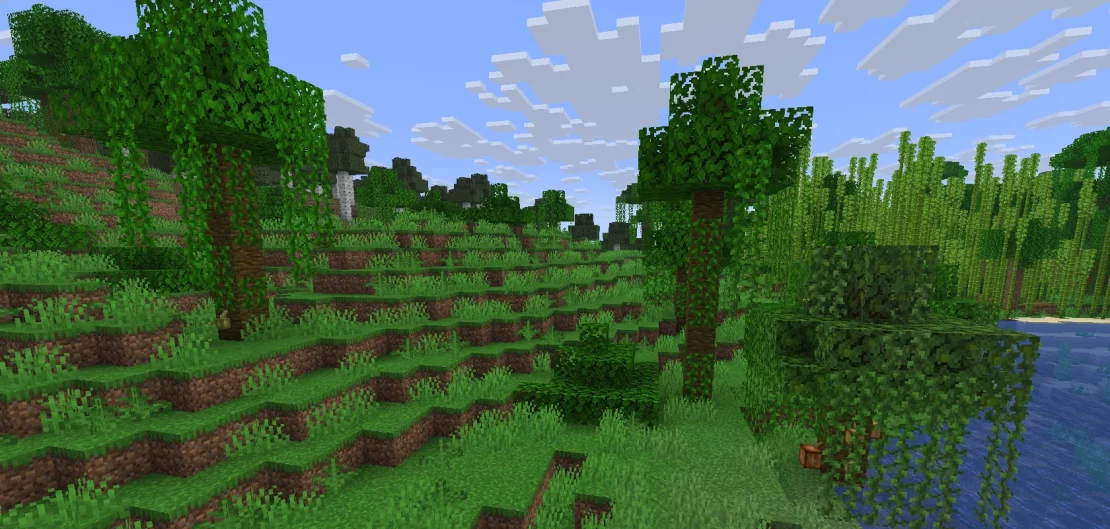
12. Sparse Jungle
Sparse Jungle is a rarer variant of the jungle biome where vegetation is less dense. It offers the same tropical atmosphere while providing a calmer and more open environment for exploration.
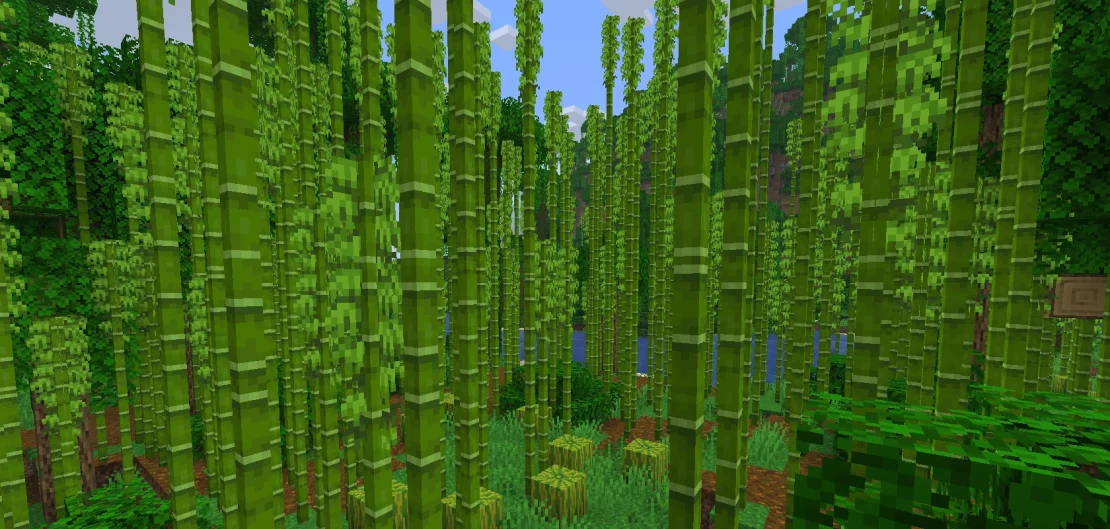
13. Bamboo Jungle
Bamboo Jungle is dominated by densely growing bamboo and is the best place to gather this resource.
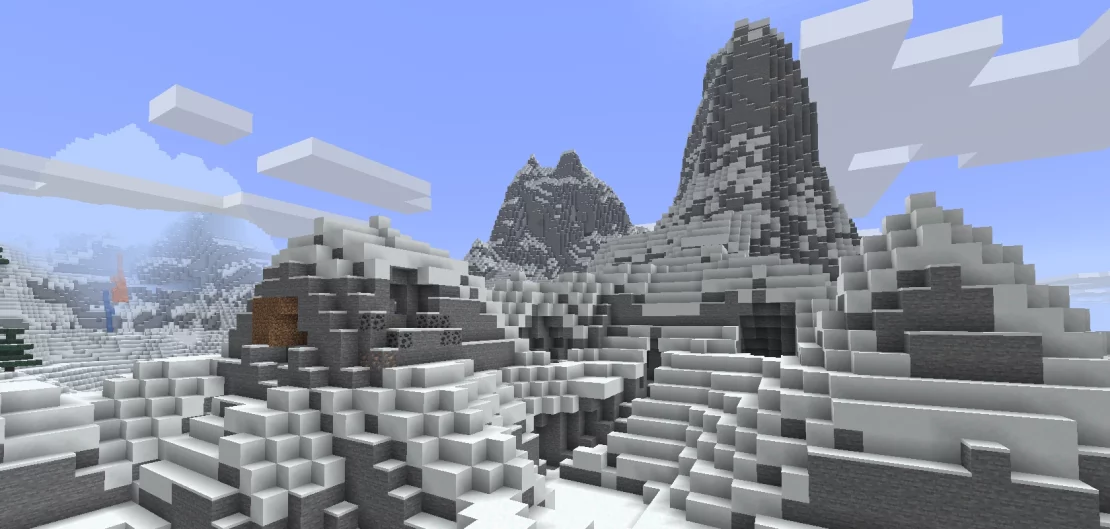
14. Jagged Peaks
Harsh high-altitude terrain with sharp slopes and uneven formations. It is covered in ice and snow, and the difficult landscape makes movement challenging.
Goat
In this area, you will encounter goats that can ram the player, knocking them off steep cliffs. However, it is worth approaching them, as they can drop a Goat Horn, a valuable item that emits a horn-like sound.
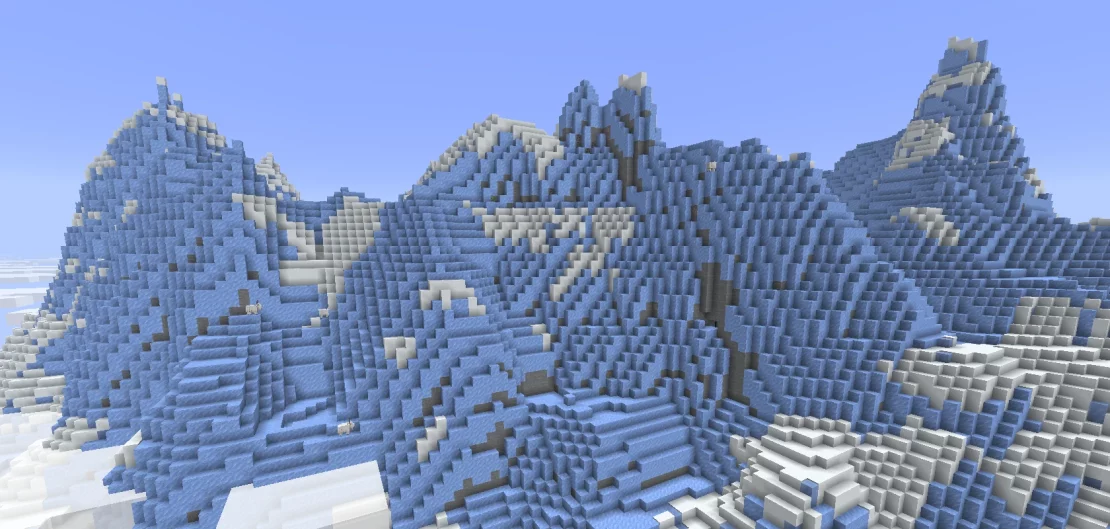
15. Frozen Peaks
A mountainous biome with a harsh, icy climate, where the terrain is covered in snow, ice, and packed ice. It features tall, jagged peaks and strong winds, giving this place a dramatic and inhospitable atmosphere.
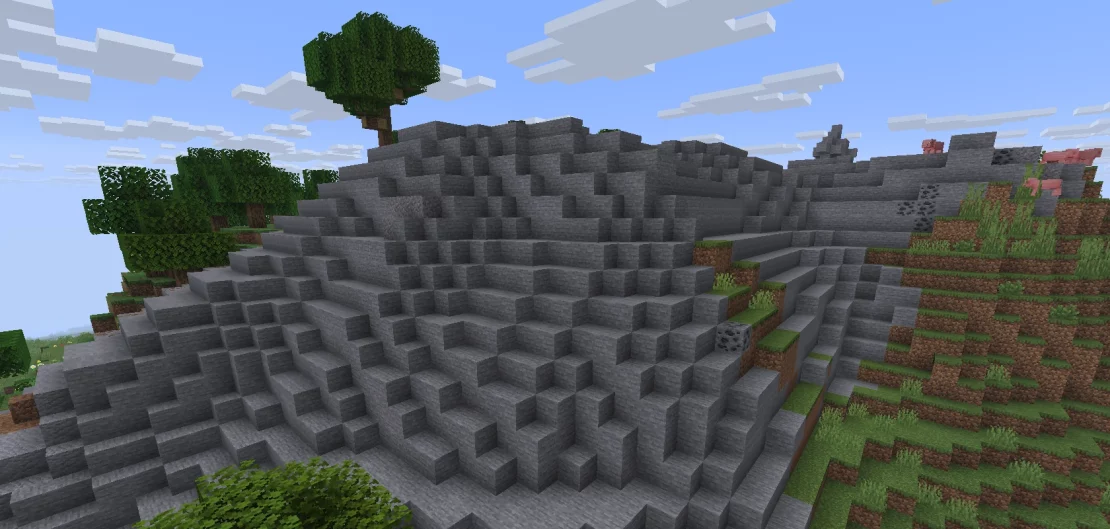
16. Stony Peaks
A variant of mountain biomes where stone, andesite, and basalt generate instead of snow. It is a warmer version of high-altitude terrain, lacking snow due to its higher temperature. The landscape is steep and rocky, making it ideal for mining resources such as coal and emeralds.
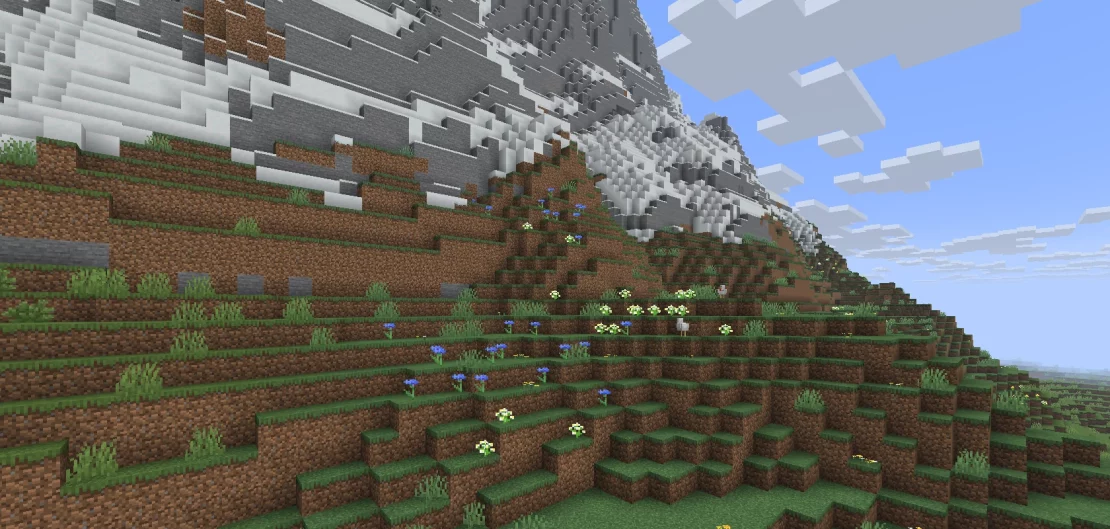
17. Meadow
A high-altitude meadow covered with grass, flowers, and low vegetation, often located near mountains and resembling alpine fields.
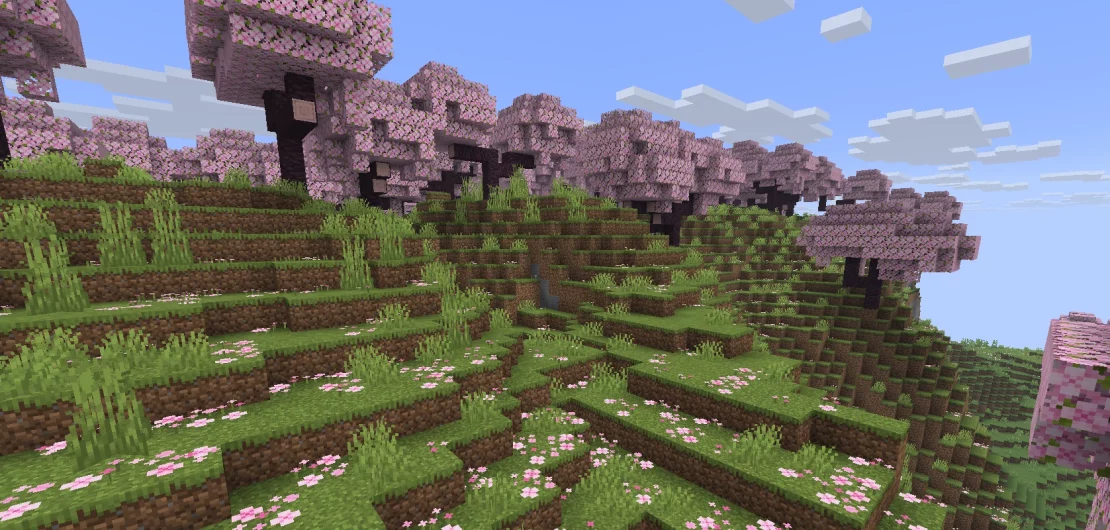
18. Cherry Grove
Cherry Grove is a picturesque mountain biome characterized by its pink cherry trees, which provide access to unique wood blocks. This biome is located at high elevations, giving it a majestic appearance, while the constantly falling cherry petals create the illusion of eternal spring.
Cherry Trees
It is especially loved by builders for its pastel cherry wood, a color not found in any other biome. Cherry trees grow in various shapes and sizes, with their canopies forming natural archways beneath which bee nests can often be found. These elements bring a sense of peace and magic to the area, making Cherry Grove arguably the most beautiful biome in all of Minecraft.
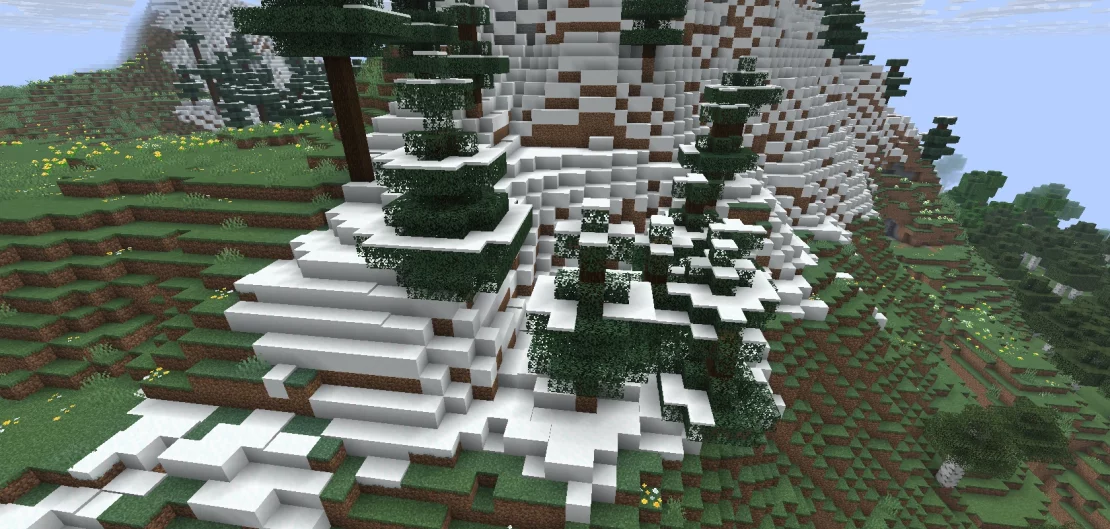
19. Grove
A cold mountainous terrain covered with a thick layer of snow. It serves as a transitional zone between forests and high mountain peaks. Players may encounter treacherous powder snow here, which can pull them in and cause freezing damage.
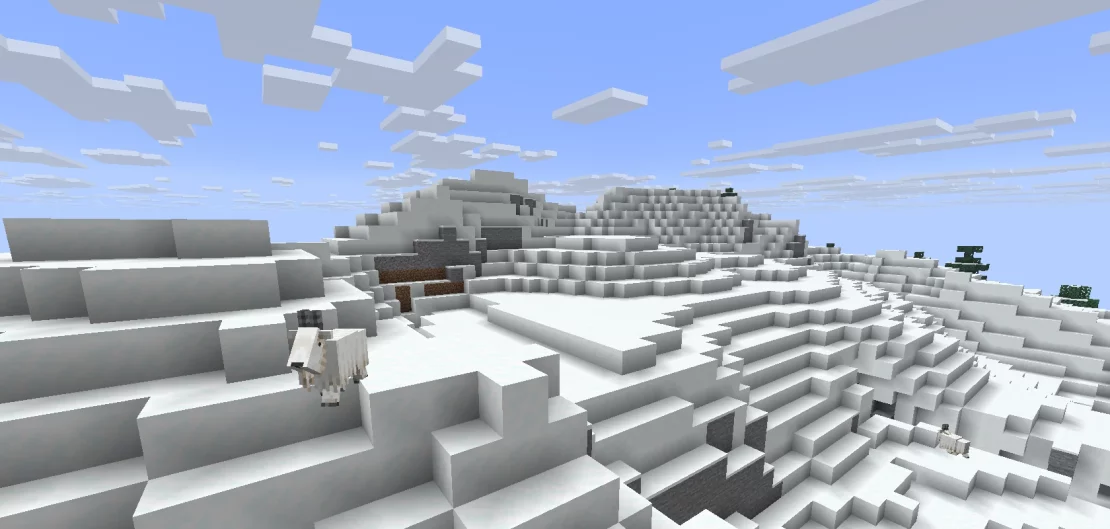
20. Snowy Slopes
Snowy Slopes is a snowy mountain biome characterized by steep terrain and large amounts of snow and powder snow. It is an area where no trees generate, emphasizing its harsh, alpine nature.
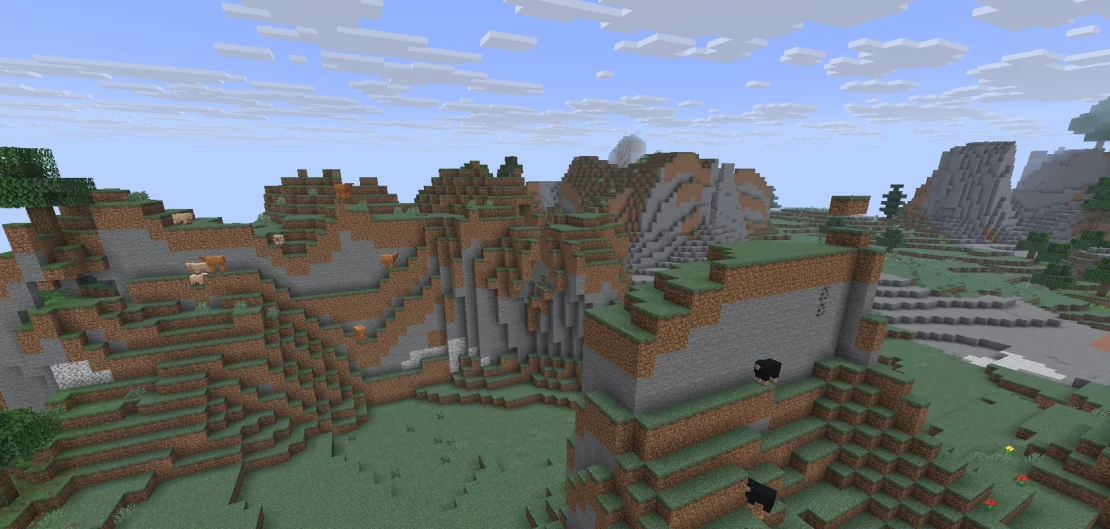
21. Windswept Hills
This terrain is shaped by strong winds and is characterized by steep slopes, exposed cliffs, and high elevation, creating a rugged and dramatic landscape.
Emerlads
Ores can be found exposed on the surface, especially emeralds hidden within stone blocks at high altitudes. It is one of the few places where emerald ore naturally generates on mountain slopes, making this biome an important source of this rare resource.
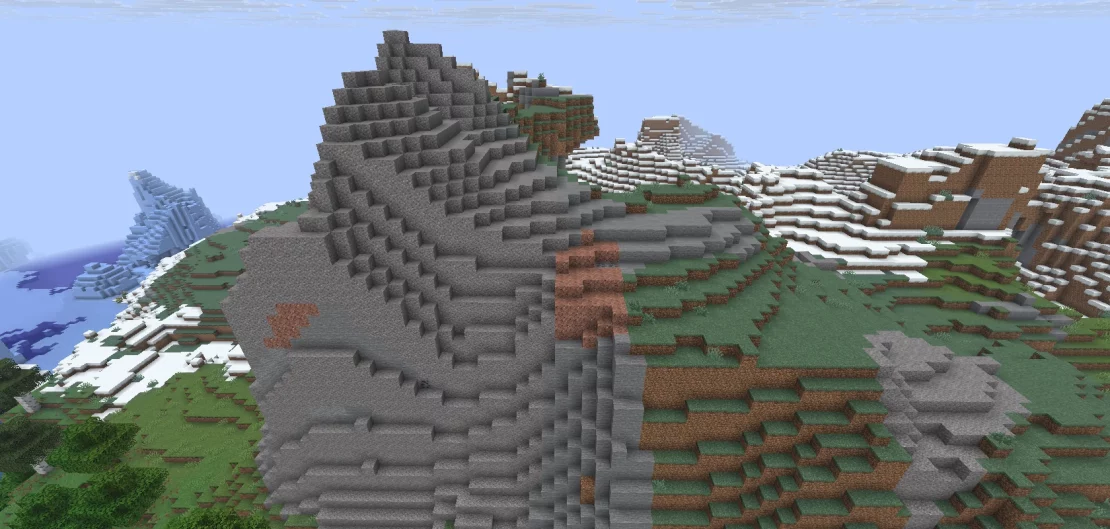
22. Windswept Gravelly Hills
It is a mountainous terrain similar to the Windswept Hills, but its surface is primarily covered with gravel, stone, and small patches of grass.
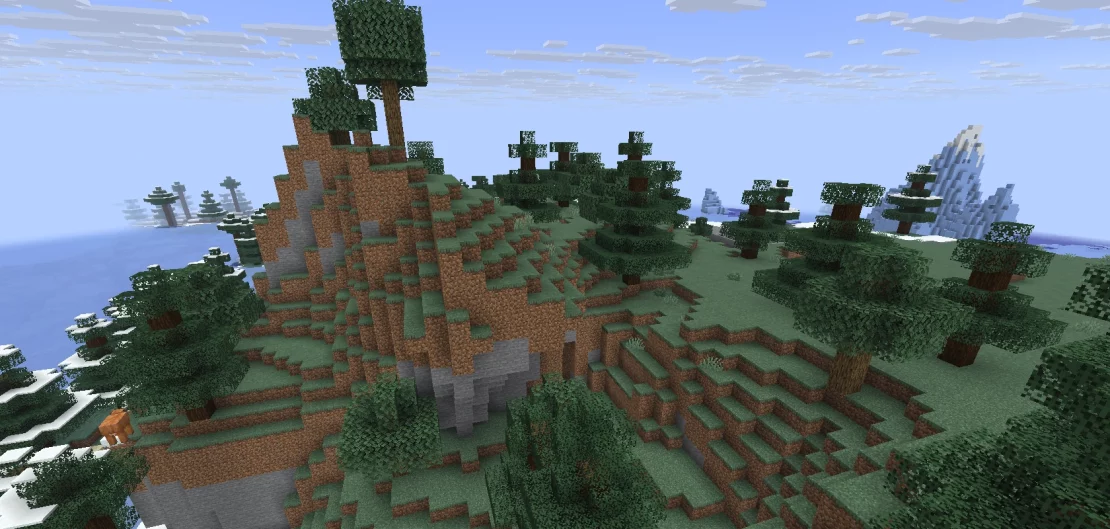
23. Windswept Forest
A terrain similar to the Windswept Hills, with the difference that it is covered by oak and spruce trees. The landscape is steep and uneven, with forests growing along slopes and cliffs, creating unpredictable and wild scenery.
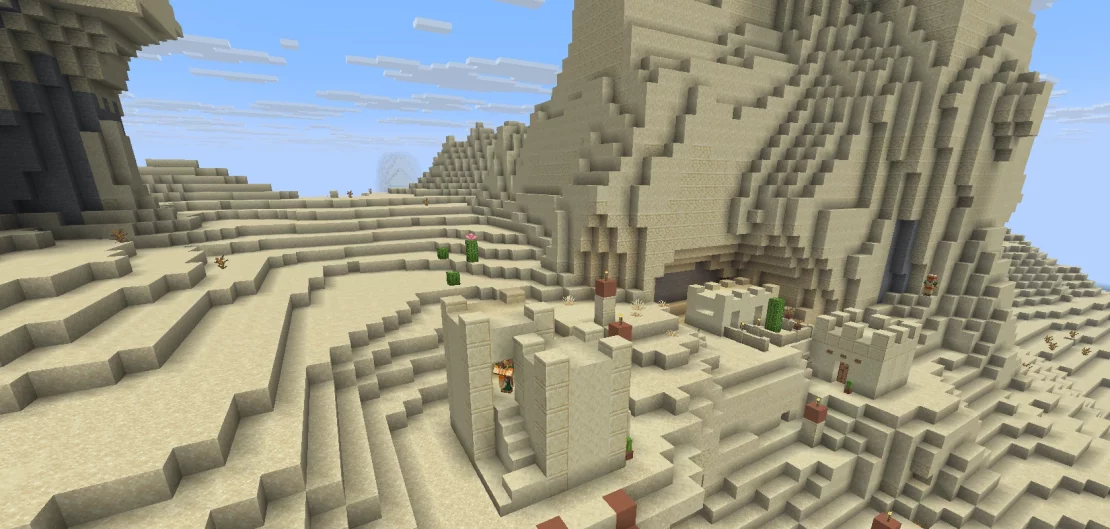
24. Desert
Desert is a dry and barren biome covered in sand and sandstone, with no rainfall or natural vegetation. The hot climate means water and trees are extremely rare. It is a source of dead bushes, and during the night, a higher number of hostile mobs appear due to the flat terrain and lack of cover, creating a real survival challenge.
Desert Pyramid
Unique structures called Desert Pyramids generate here, containing four hidden chests with valuable loot inside. However, access to them is protected by a TNT trap – players who proceed carefully can obtain gold, diamonds, and other rare items early in the game.
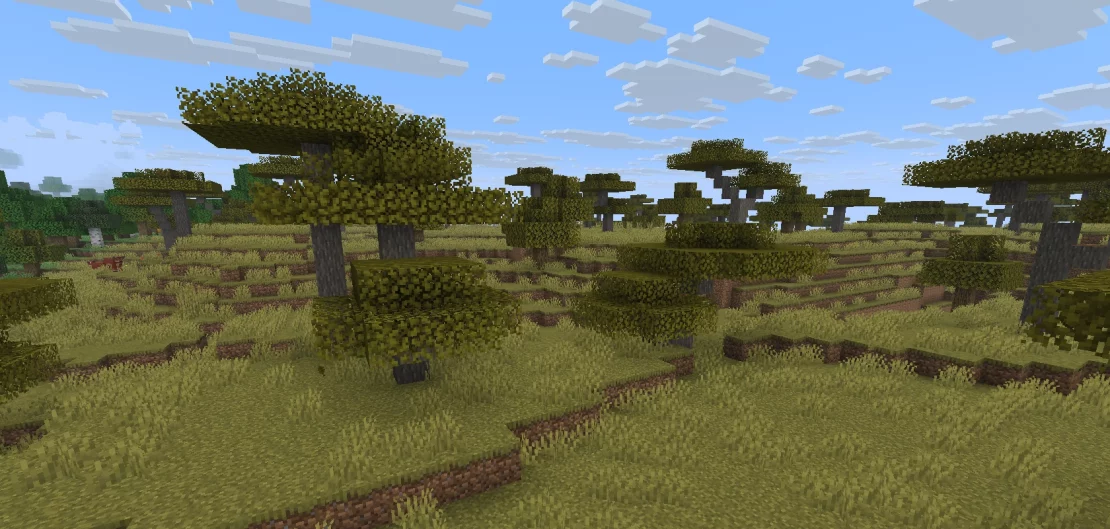
25. Savanna
Dry and warm terrain covered with grass and characteristic Acacia trees with flat canopies. In this environment, the Armadillo naturally appears – a charming mob that curls into a ball when it senses danger. It drops Armadillo Scutes, a valuable item used to craft armor for wolves.
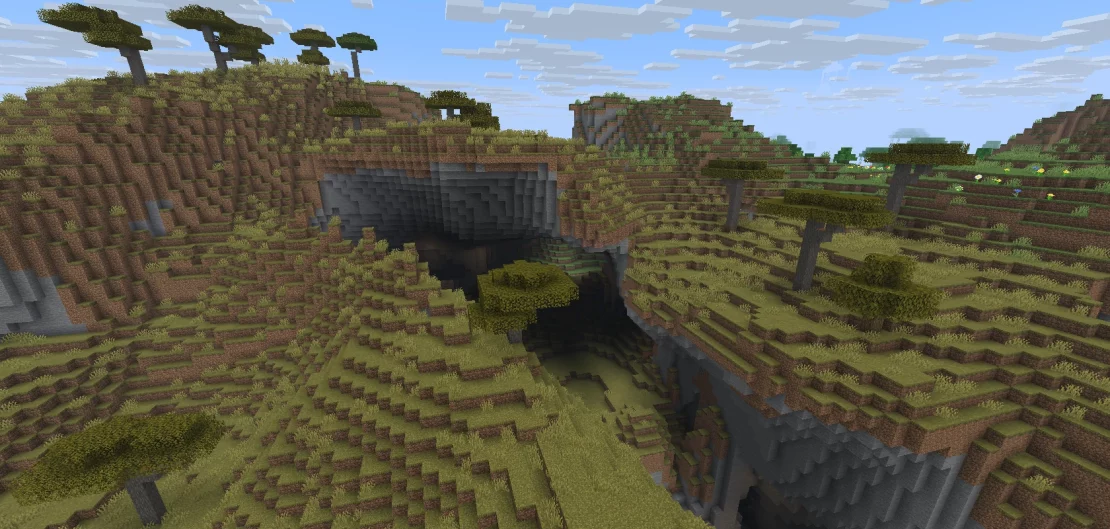
26. Savanna Plateau
An elevated version of the savanna that rises high above sea level, distinguished by its scenic views and unique terrain formation.
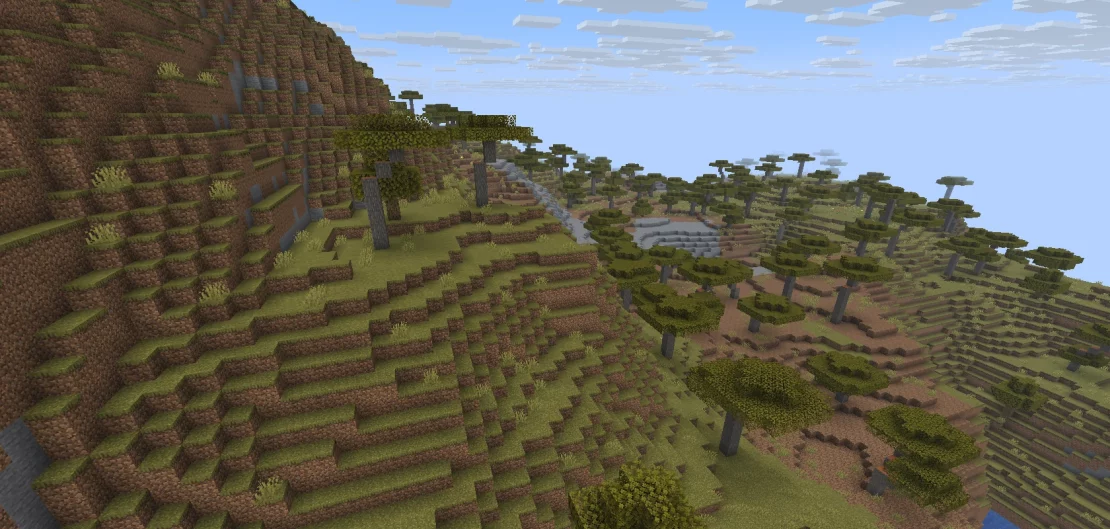
27. Windswept Savanna
An extreme variant of the savanna where the terrain is heavily eroded and shaped by the wind. Acacia trees grow at irregular angles, sometimes partially floating in the air.
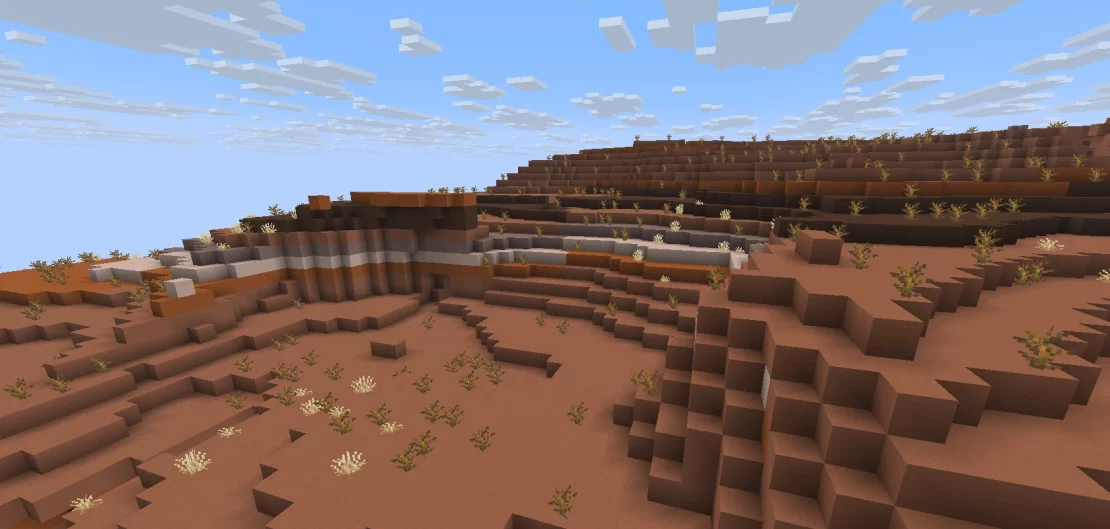
28. Badlands
Badlands is a dry, layered terrain with a landscape resembling desert canyons and rocky formations, often shaped into tall cliffs and spires. It is one of the most visually striking places in the game, with intense colors that give it the appearance of a wild western wasteland.
Terracotta
This is where you can find natural layers of terracotta that appear in massive quantities. It is the only place where you can obtain colored terracotta without the need for dyeing.
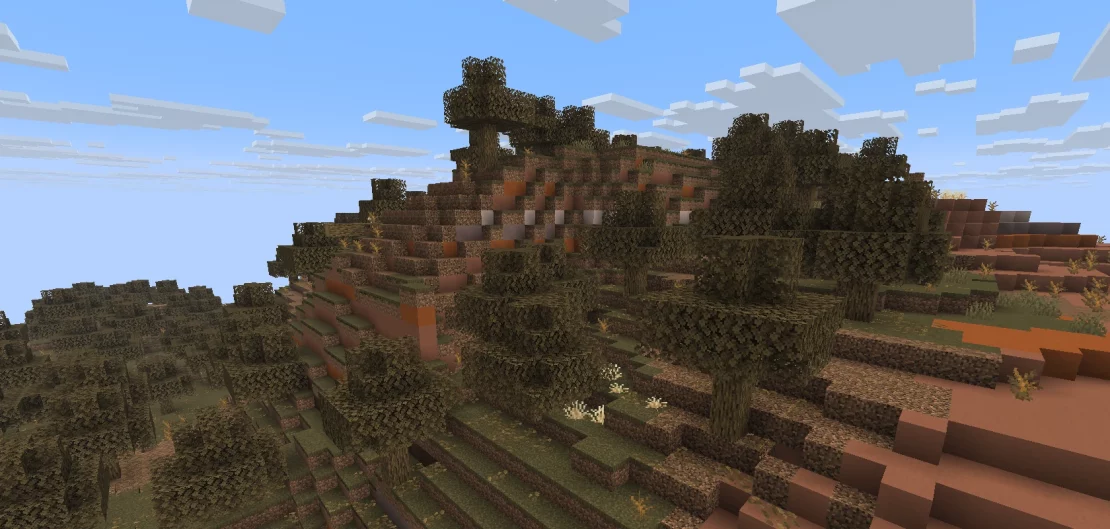
29. Wooded Badlands
A variant of the classic Badlands, where acacia trees appear between the colorful layers of terracotta, forming small clusters of vegetation. It combines the harsh desert landscape with elements of the savanna.
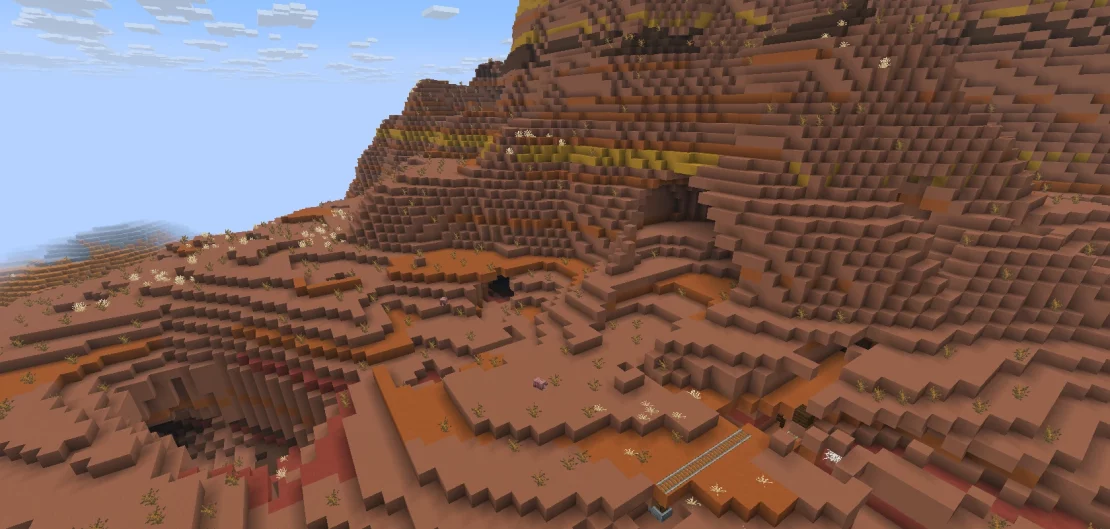
30. Eroded Badlands
The most distinctive variant of the Badlands, characterized by tall, eroded formations resembling natural pillars and canyons. It is one of the most unique terrain features in all of Minecraft.
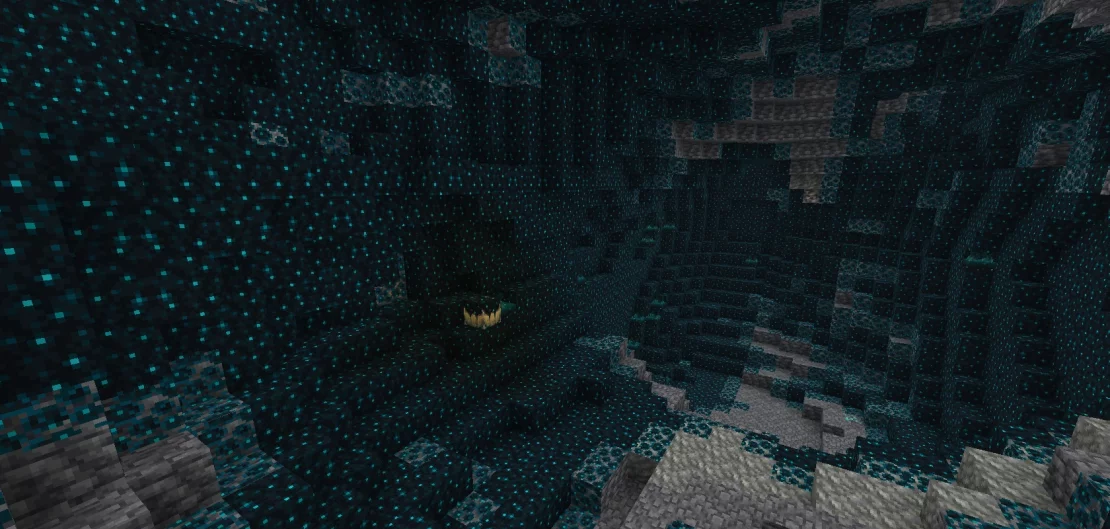
31. Deep Dark
Deep Dark generates in the lowest underground layers near the deepslate level. It is characterized by almost complete darkness and the presence of sculk blocks that react to the player’s movements and sounds. This biome is meant to be explored in stealth mode, as making any noise can trigger a terrifying threat.
Warden
The guardian of the Deep Dark is the Warden, which emerges after sculk shriekers are activated. It is a blind mob that detects players through vibrations and sound, and once it awakens – it deals immense damage.
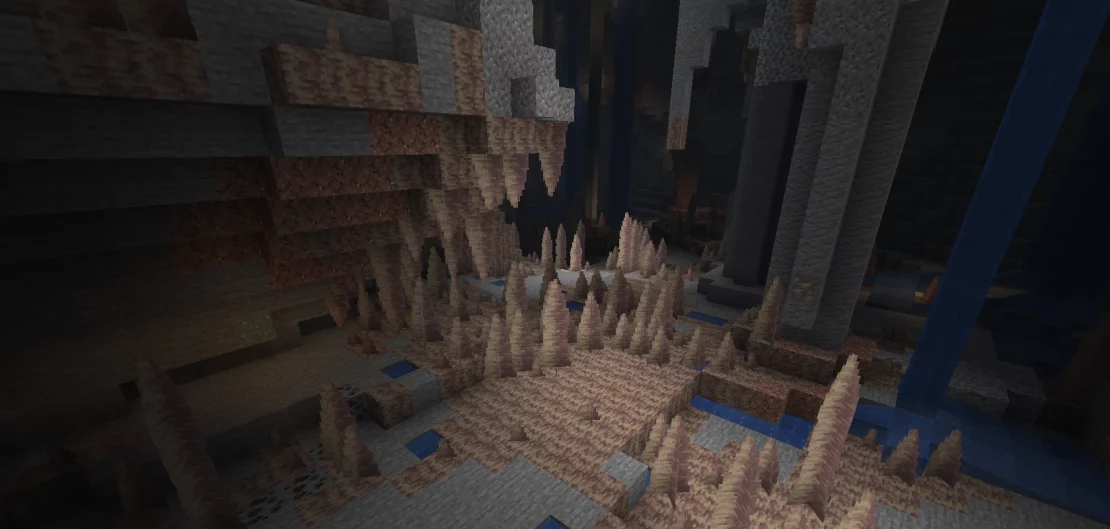
32. Dripstone Caves
It is an underground biome characterized by natural formations of stalactites and stalagmites made of dripstone. These create sharp columns and dangerous structures that can fall from the ceiling and cause damage. Dripstone Caves are highly valued for their functionality, as dripstone allows the creation of renewable lava sources.
Pointed Dripstone
The main block of this biome, pointed dripstone, is one of the most useful technical blocks in the game.
33. Lush Caves
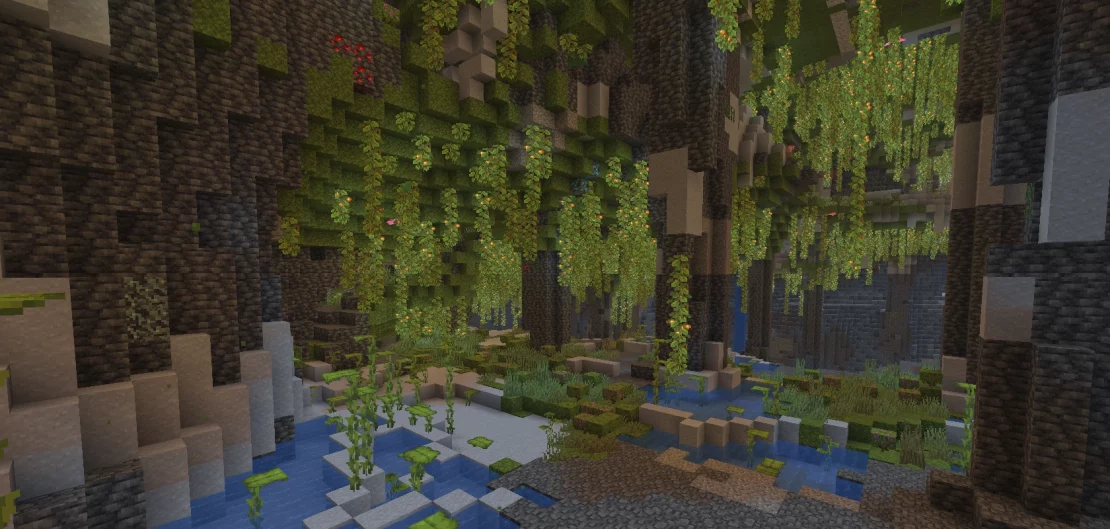
Lush Caves are an underground biome with a uniquely vibrant atmosphere, filled with greenery, moss, and plants such as glow berries, azalea, and spore blossoms that release particles into the air. It is the most decorative cave biome in the game, resembling a hidden garden beneath the surface of the world.
Axolotl
This biome is also home to the exclusive Axolotl – a water creature that assists the player in combat by attacking hostile aquatic mobs. Axolotls can play dead to regenerate health, making them not only adorable but also incredibly effective companions during underwater adventures.
34. Ocean
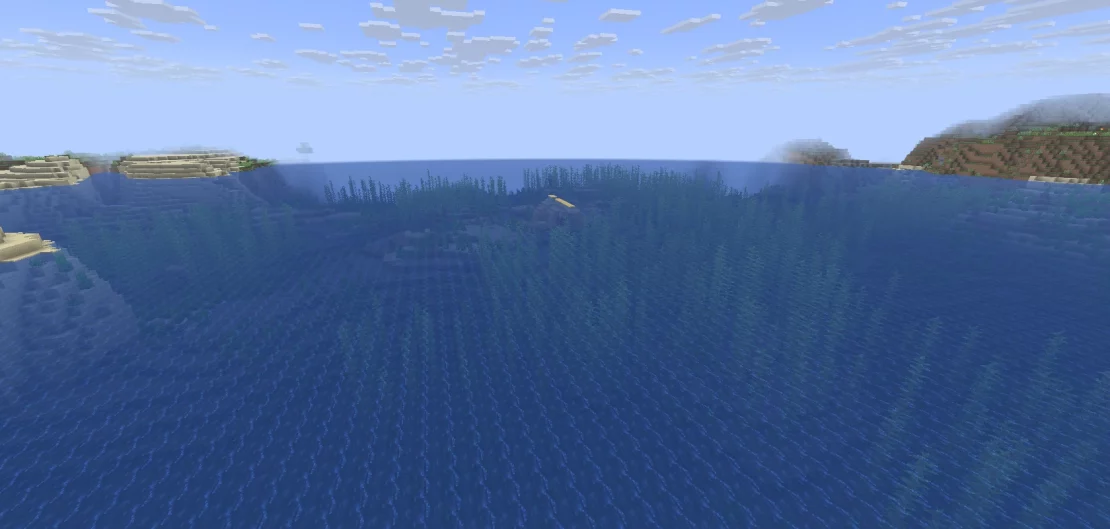
Ocean is the base water biome characterized by large open areas with moderate depth. The seafloor is mainly composed of sand, clay, and gravel, and it serves as a transitional environment between other ocean variants.
Shipwrecks
Shipwrecks can generate in all ocean biomes, including the standard Ocean. These structures contain loot chests with items such as treasure maps, food, and rare resources, making them valuable locations for explorers.
35. Deep Ocean
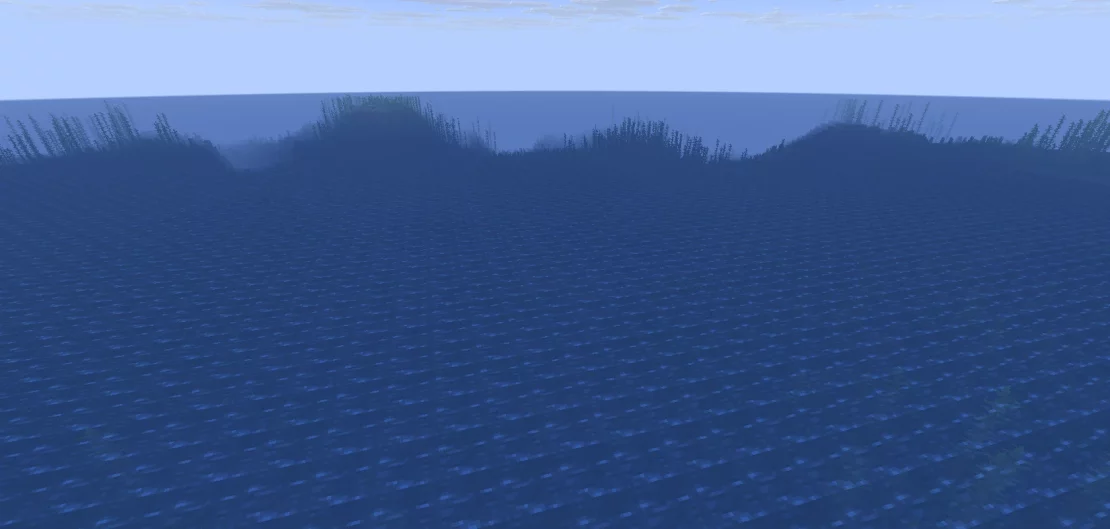
In this deep part of the ocean, the terrain drops sharply, creating a dark, cold, and hard-to-reach environment. The depth of the water prevents most light from reaching this area, making exploration difficult.
Ocean Monument
At the bottom of the Deep Ocean, Ocean Monuments generate – massive structures made of prismarine and inhabited by Guardians and Elder Guardians. Inside, players can find gold and sponges, which are usually the main objectives of these expeditions.
36. Warm Ocean
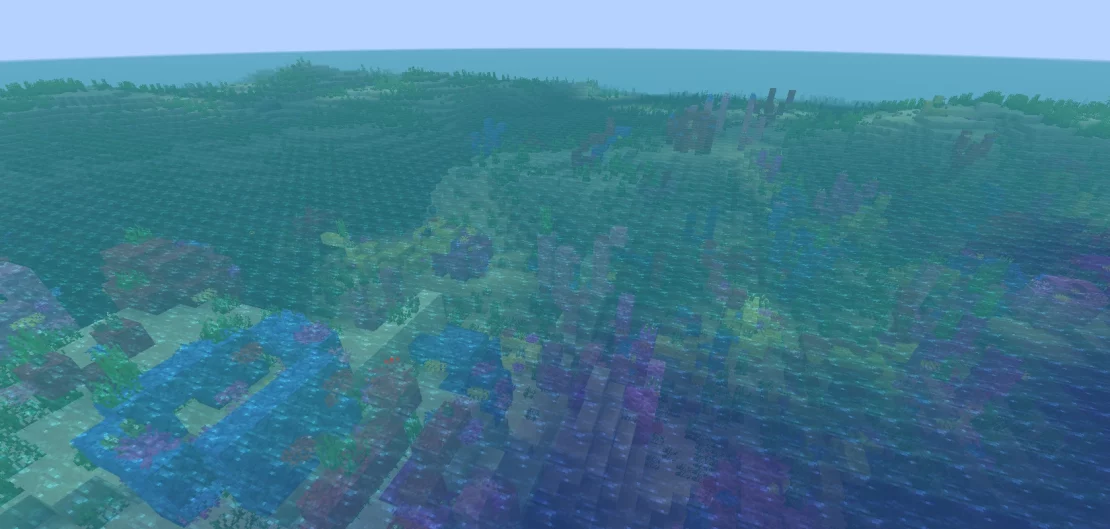
This tropical ocean region is characterized by clear water and warm temperatures that support rich marine life. The area is colorful and full of various tropical fish. Additionally, the seafloor is illuminated by unique Sea Pickles.
Coral Reefs
On the ocean floor, you can find natural colorful structures known as coral reefs, which serve as a habitat for tropical fish.
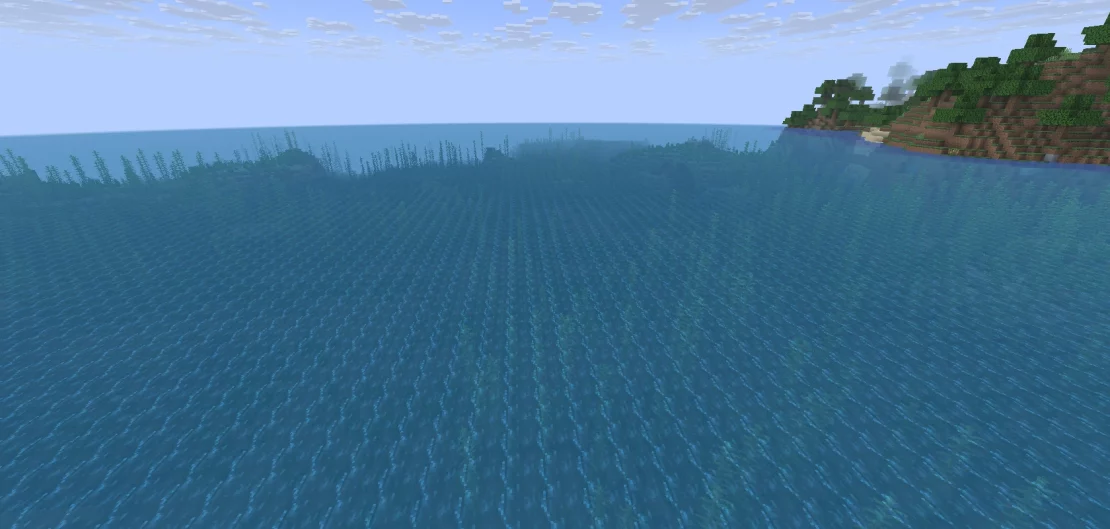
37. Lukewarm Ocean
A calm ocean biome with light blue water and a sandy floor that combines features of both cold and warm oceans, creating a transitional environment without coral reefs or ice formations.
38. Deep Lukewarm Ocean
A deeper variant of the Lukewarm Ocean, where the seabed lies significantly below the standard ocean level.
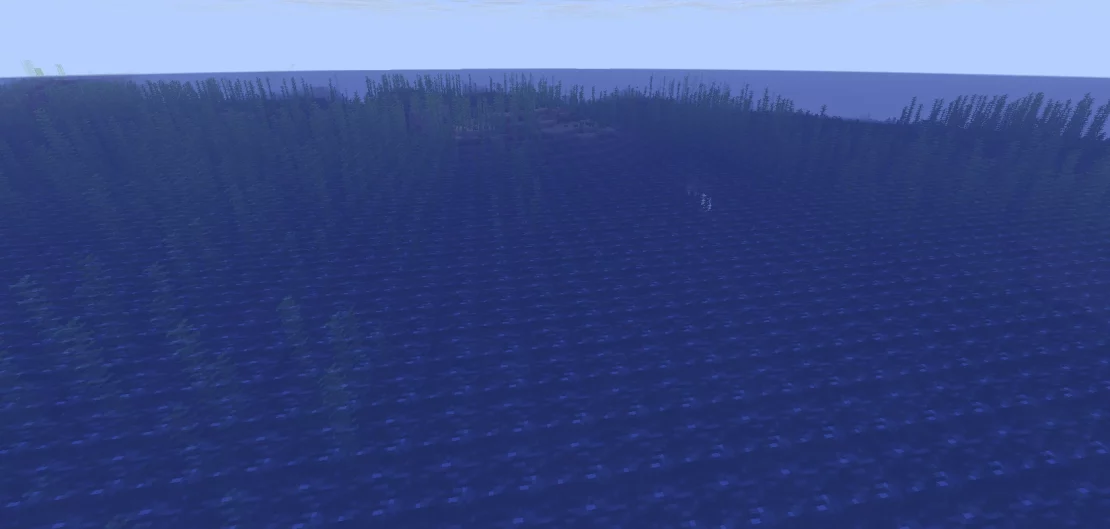
39. Cold Ocean
A cold ocean biome with darker blue-green water and a stony seabed. It features icy temperatures; however, no ice structures generate here yet. It serves as a transition between warmer oceans and the Frozen Ocean.
40. Deep Cold Ocean
A deeper variant of the Cold Ocean biome, characterized by darker water and a seabed located below the standard ocean level.
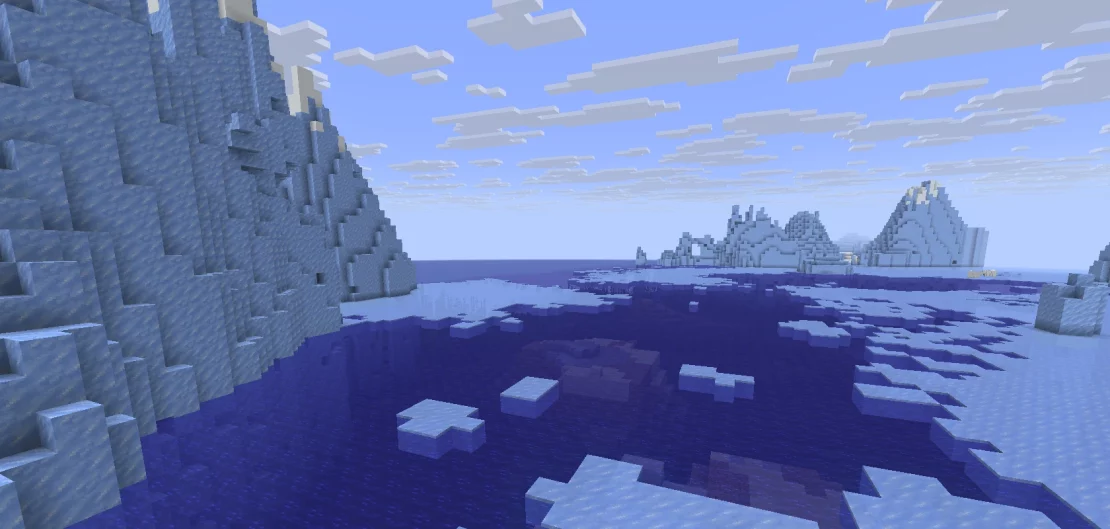
41. Frozen Ocean
In this part of the ocean, the water is dark blue and partially frozen. The temperatures are extremely low, and the environment is harsh and barren.
Icebergs
Massive icebergs made of packed ice and blue ice generate here.
42. Deep Frozen Ocean
A deep variant of the Frozen Ocean biome, characterized by dark blue water and a thick layer of ice on the surface. The ocean floor lies much lower than in other cold marine environments, which promotes the generation of underwater ravines and ruins.
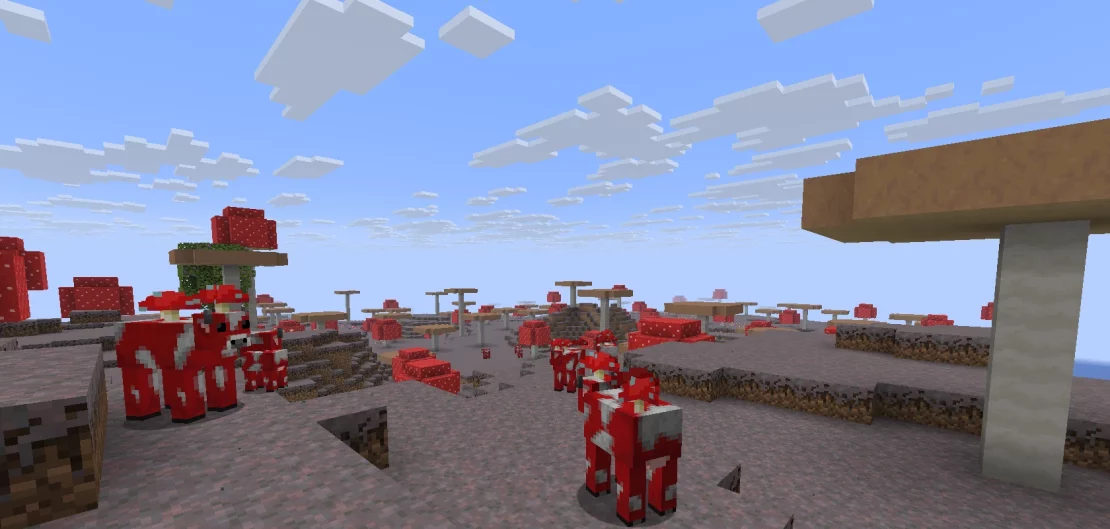
43. Mushroom Fields
Mushroom Fields is one of the rarest biomes in the game, characterized by terrain covered in Mycelium, where giant red and brown mushrooms naturally generate. No hostile mobs spawn here, even at night, making it one of the safest places to live in all of Minecraft. This surreal biome feels like a fantasy realm beyond the laws of nature.
Mooshrooms
You will also find Mooshrooms – exclusive mushroom cows that can be milked to obtain Milk or Mushroom Stew. When sheared, they transform into regular cows and drop mushrooms. Mooshrooms provide an infinite source of food without the need for cooking, making them incredibly valuable.
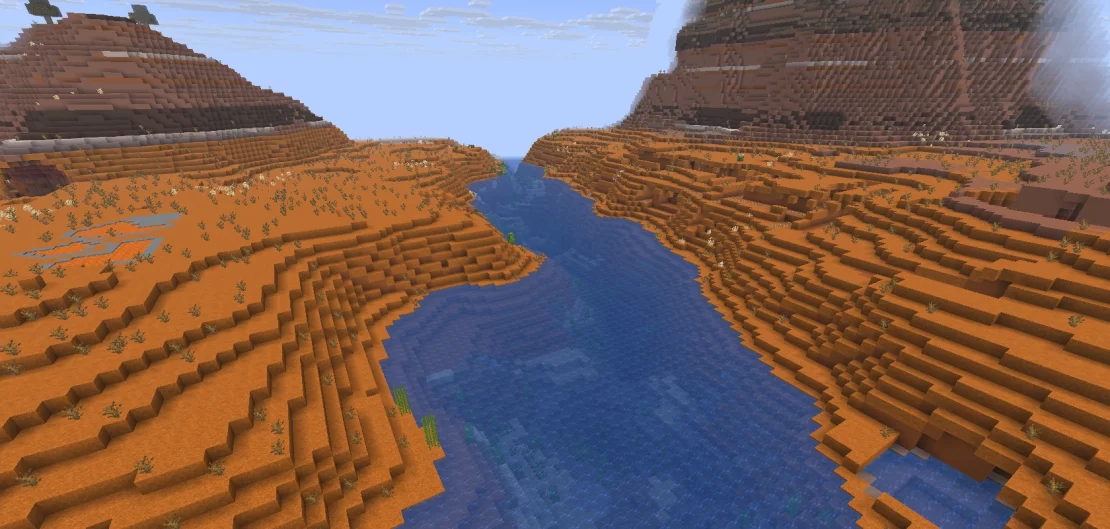
44. River
River is a natural water biome that generates between other biomes, forming riverbeds. The banks are usually covered with sand, clay, or gravel. It serves as an ideal route for fast travel by boat.
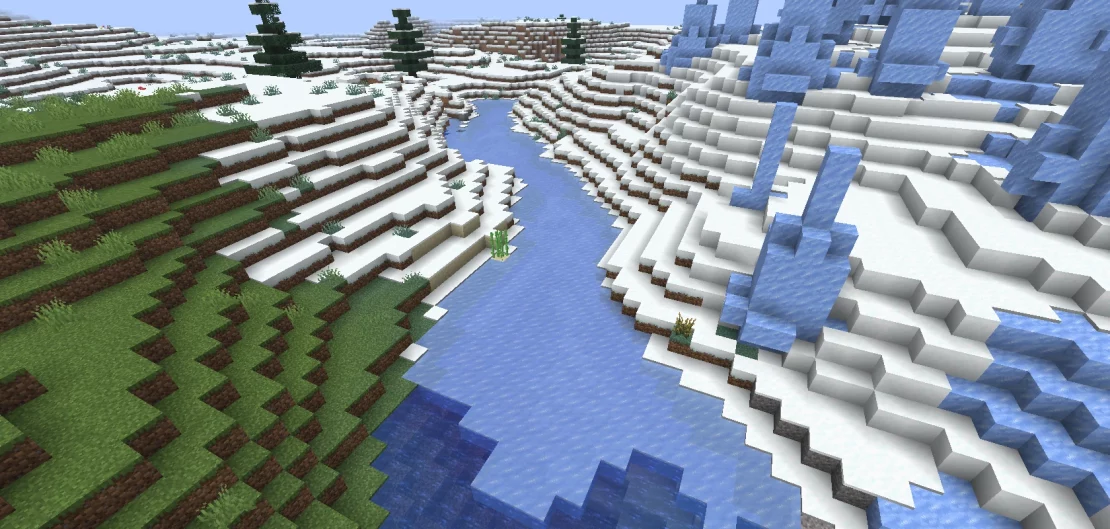
45. Frozen River
It is the frozen variant of the river, where the water surface freezes to form a layer of ice and the banks are covered in snow. It serves as an ideal ice pathway for fast travel.
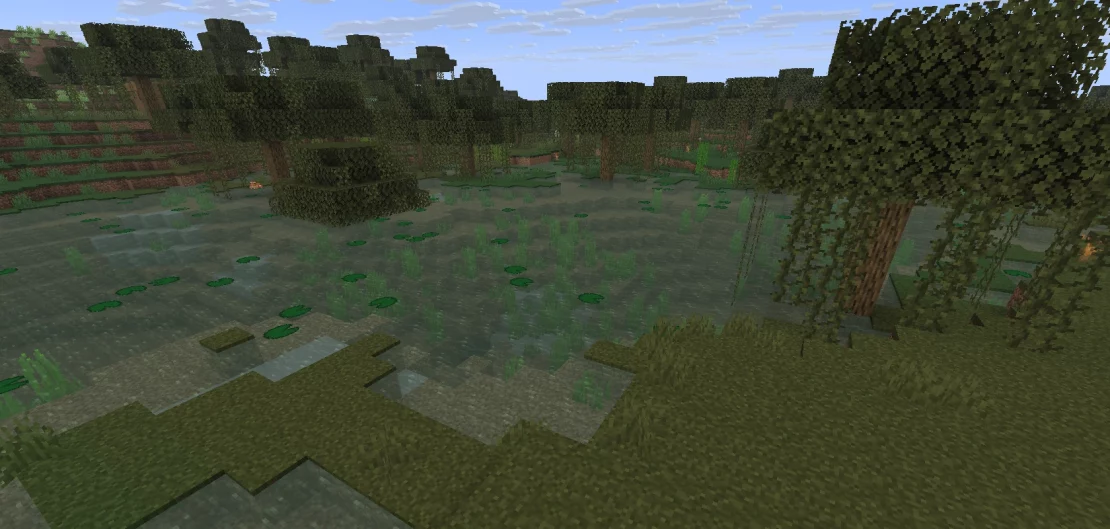
46. Swamp
Swamp is a dark and humid biome with muddy terrain. The water has a deep green color and is covered with lilypads, while the ground is rich in clay deposits. It is also the natural habitat of Slimes, making this biome a strategic location for obtaining slimeballs.
Swamp Huts
Additionally, you can encounter the unique Swamp Hut structure, where a witch and a black cat naturally spawn. These huts serve as a source of free cats and can be used as the foundation for witch farms that provide redstone drops and potion ingredients.
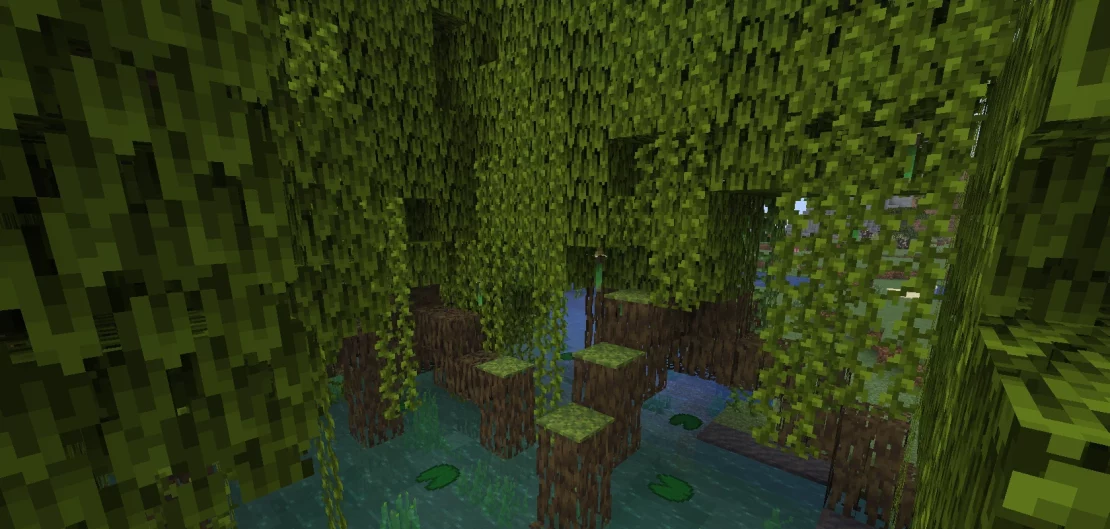
47. Mangrove Swamp
Mangrove Swamp is a tropical variant of the regular swamp biome, covered with dense Mangrove Trees that grow on roots extending above the water. The biome is filled with Mud blocks, shallow water, and vines, creating a wet and humid environment. It is the only place where you can find Mangrove Propagules and large amounts of mud.
Frogs
This biome is also home to exclusive frogs, which can eat small slimes and magma cubes, transforming them into Froglights – unique decorative light-emitting blocks. Frogs appear in different colors depending on the biome in which they spawn.
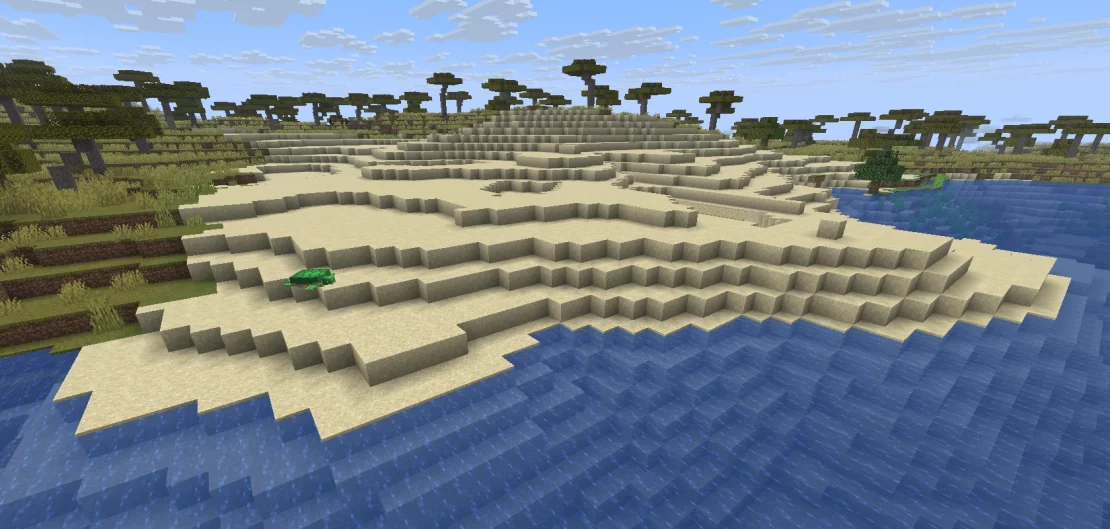
48. Beach
Beach generates at the border between land and ocean, serving as a good source of sand used for glass production.
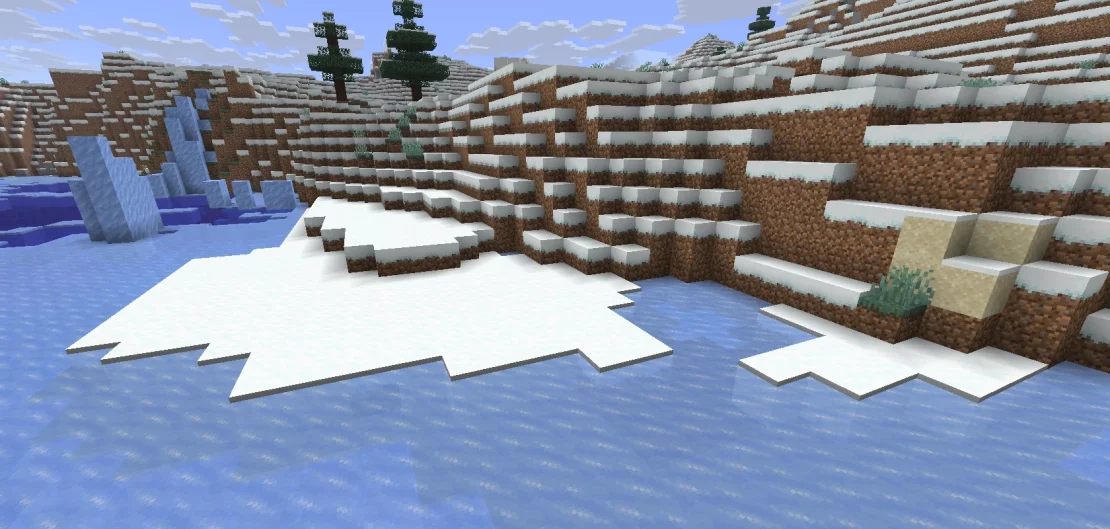
49. Snowy Beach
Snowy Beach generates at the border between land and cold ocean biomes – it differs from the classic version only by being covered in snow.
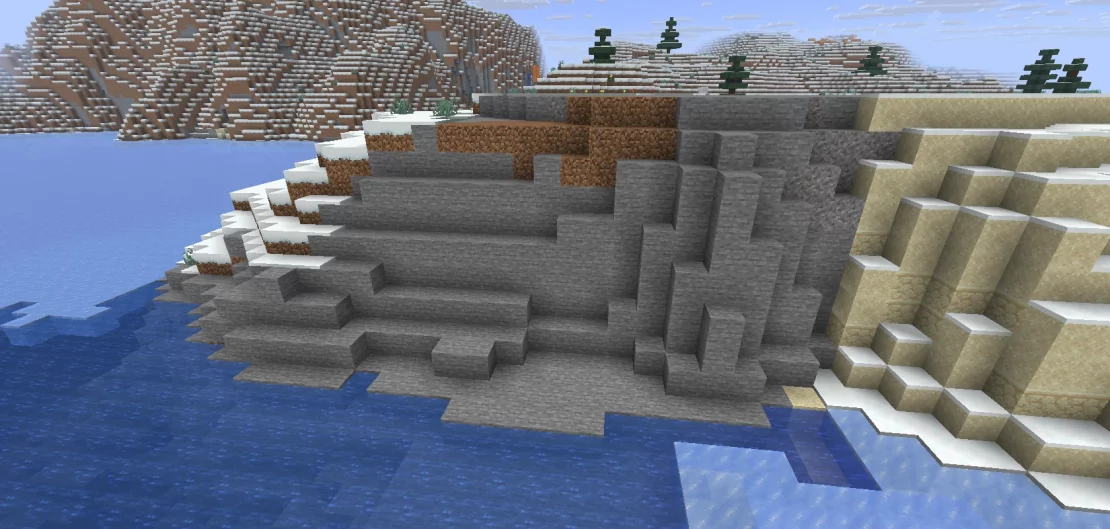
50. Stony Shore
Stony Shore is a rocky variant of the beach biome, where stone and gravel appear instead of sand. It generates at the base of mountains or cliffs near the ocean, serving as a natural transition between mountainous terrain and water.
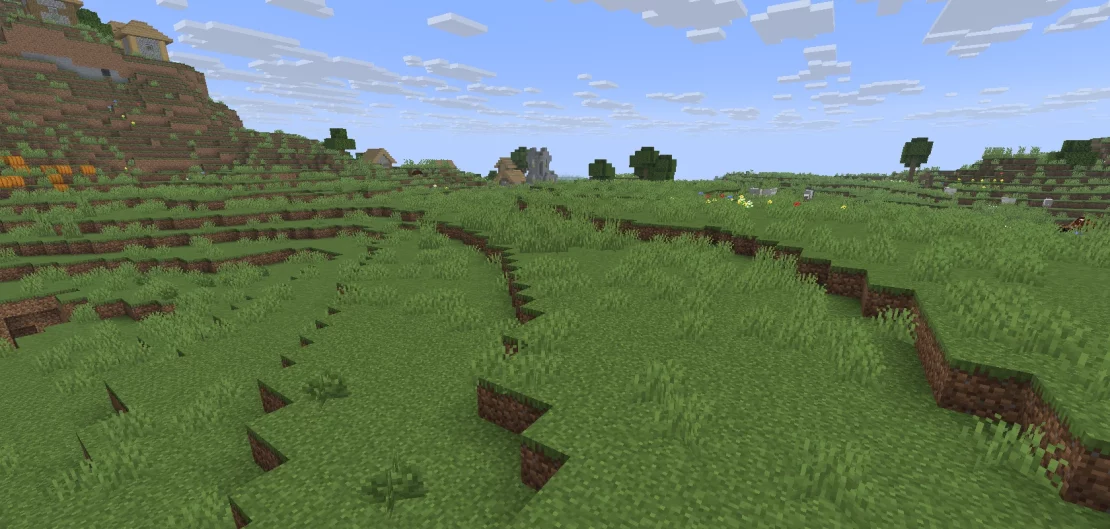
51. Plains
Plains is characterized by flat, open terrain covered with grass and flowers. It is one of the most common biomes for village generation, making it ideal if you’re looking for shelter or traders early in the game. Its peaceful climate supports growth and exploration of surrounding biomes.
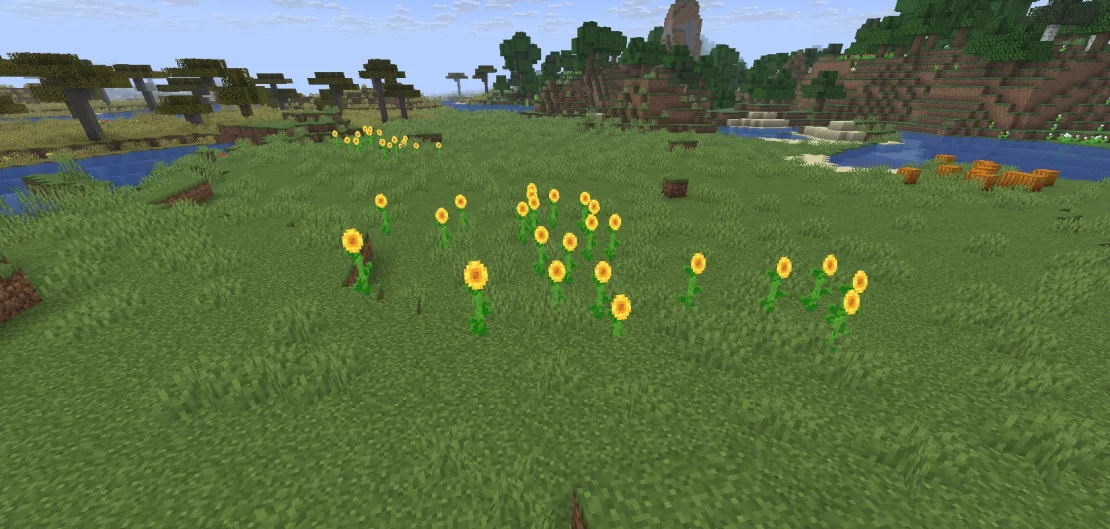
52. Sunflower Plains
This is a bright and peaceful variant of the classic Plains biome, distinguished by naturally generating sunflowers that always face the sunrise. The terrain is flat and open, making it an ideal location for building bases and farms. It is also the perfect place for gathering yellow dye and decorative plants.
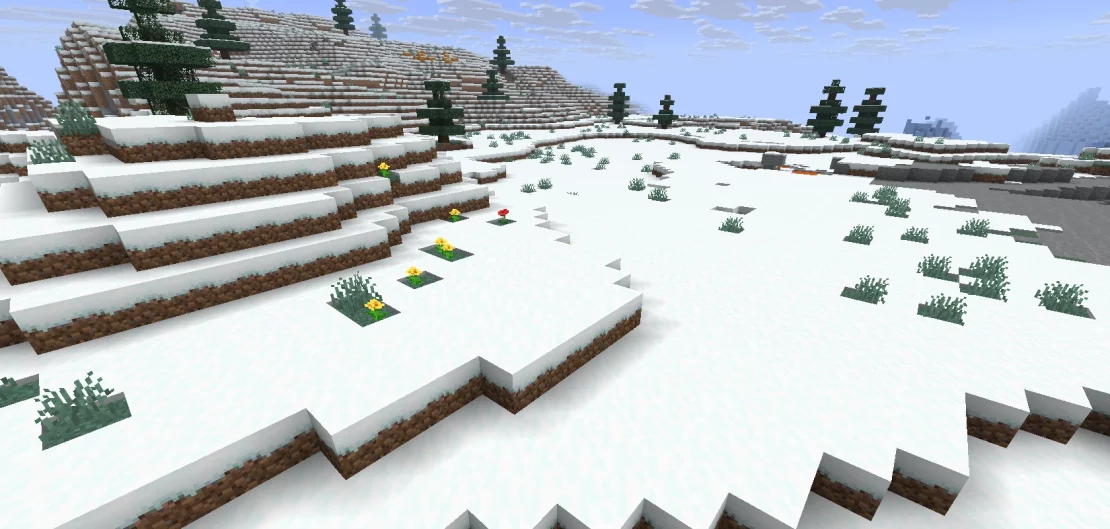
53. Snowy Plains
This is the snowy variant of the classic plains, covered with snow and ice instead of grass. The temperatures are so low that water freezes, and most of the terrain is blanketed in snow. It is also one of the few places where igloos can generate, some of which contain hidden basements with a zombie villager and a normal villager, allowing players to set up early curing systems and trading farms.
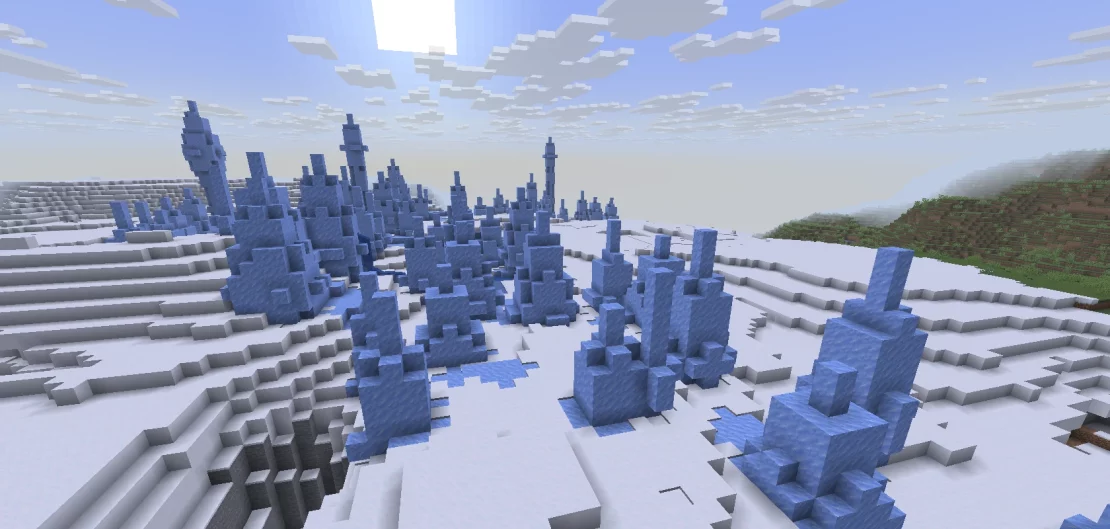
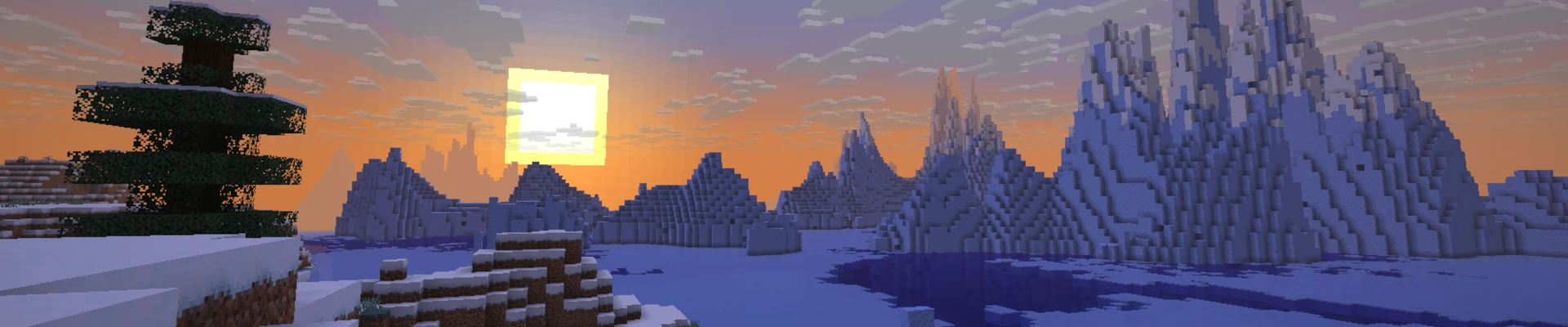
54. Ice Spikes
Ice Spikes is distinguished by tall, spiky formations made of packed ice and snow, creating a dramatic frozen landscape. It is the best place to gather packed ice.
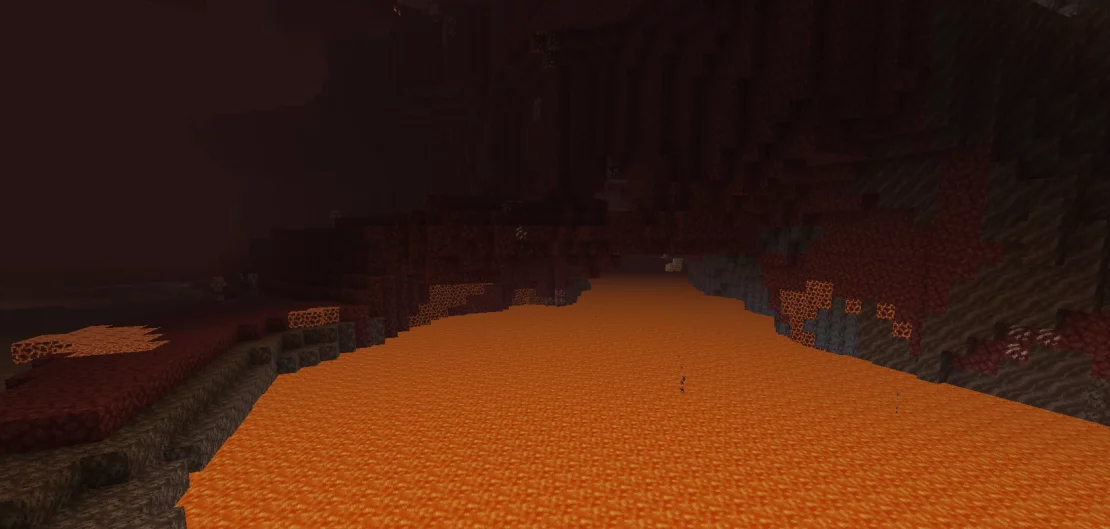
55. Nether Wastes
The primary region of the Nether, dominated by netherrack, lava lakes, and fire. It is a fairly neutral part of the hellish dimension, lacking unique structures or vegetation, but serves as the central area from which other Nether zones extend.
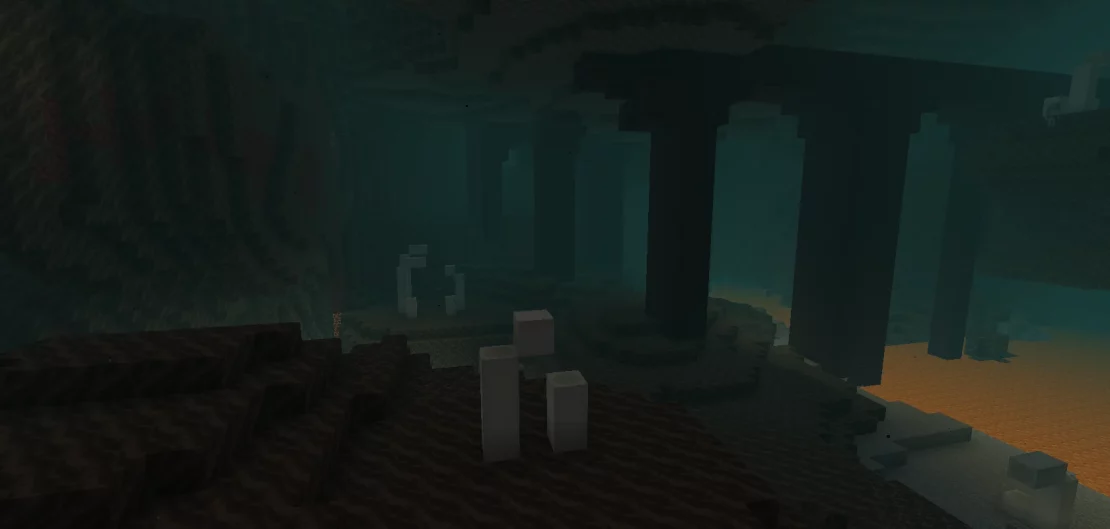
56. Soul Sand Valley
It is a gloomy and open area covered with Soul Sand and Soul Soil, which makes movement difficult. The air is filled with blue flames and fog, creating a haunting atmosphere. Unique mobs such as Ghasts appear here.
Nether Fossils
This area is also known for ancient Nether Fossils scattered across the terrain. Near these fossils, you can find Dried Ghasts lying on the ground, which can be rehydrated in water to transform into full-sized Ghasts.
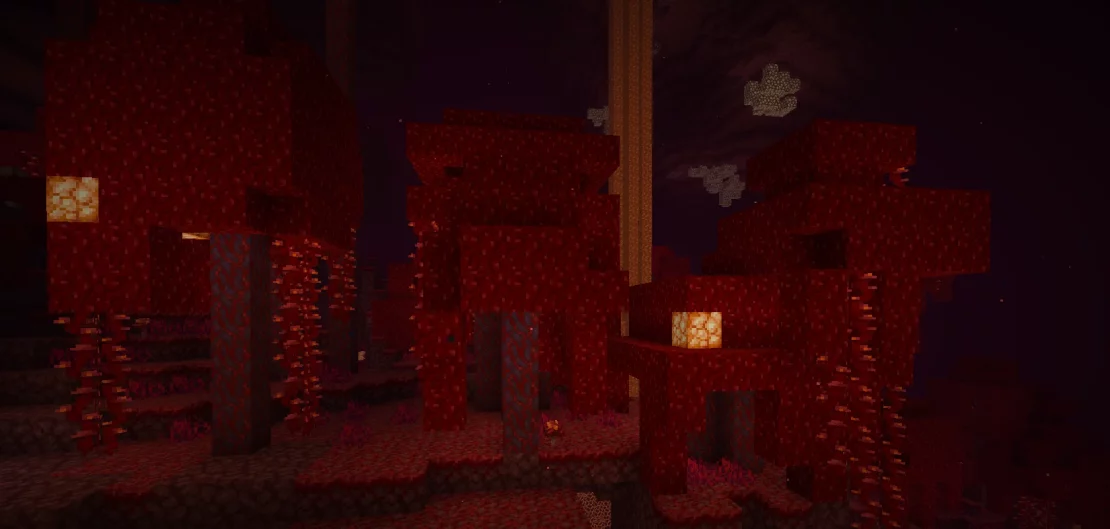
57. Crimson Forest
This blood-red region of the Nether is covered in Crimson Nylium, from which giant Crimson Fungus and twisting vines grow, allowing players to climb. The terrain has an organic and unsettling appearance, resembling living tissue. Red particles float through the air, enhancing the feeling that the environment is alive.
Hoglins
The dominant creatures in this area are Hoglins – aggressive mobs that attack the player, but also serve as the only renewable source of meat in the Nether. Thanks to them, this region is essential for survival.
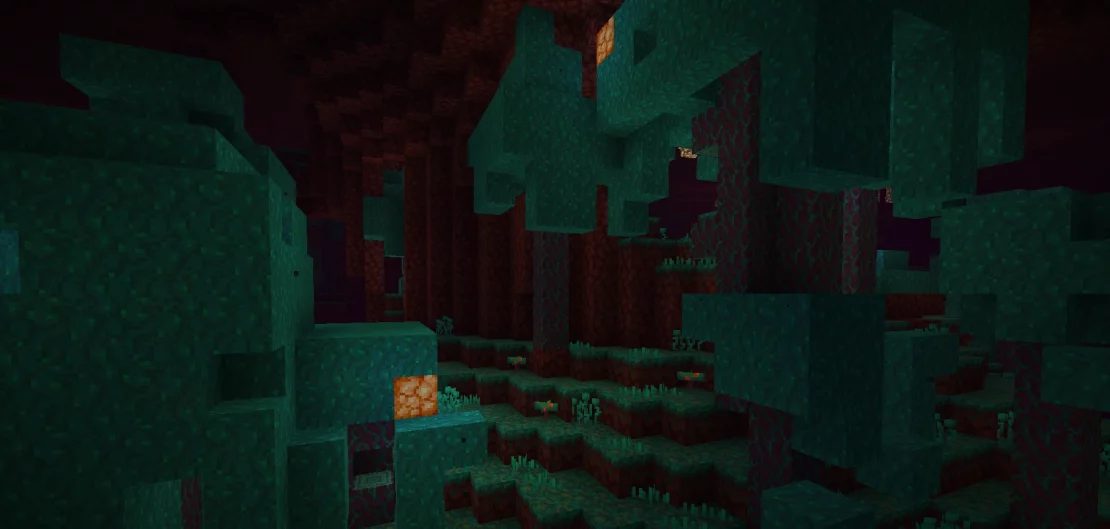
58. Warped Forest
This turquoise-green region is covered with Warped Nylium, from which Warped Fungus and vines such as Weeping Vines and Twisting Vines grow. The terrain emits a cold energy, resembling a dead or mutated part of the Nether dimension. The most common creatures here are Endermen, making it an ideal place to obtain Ender Pearls without having to travel to the End.
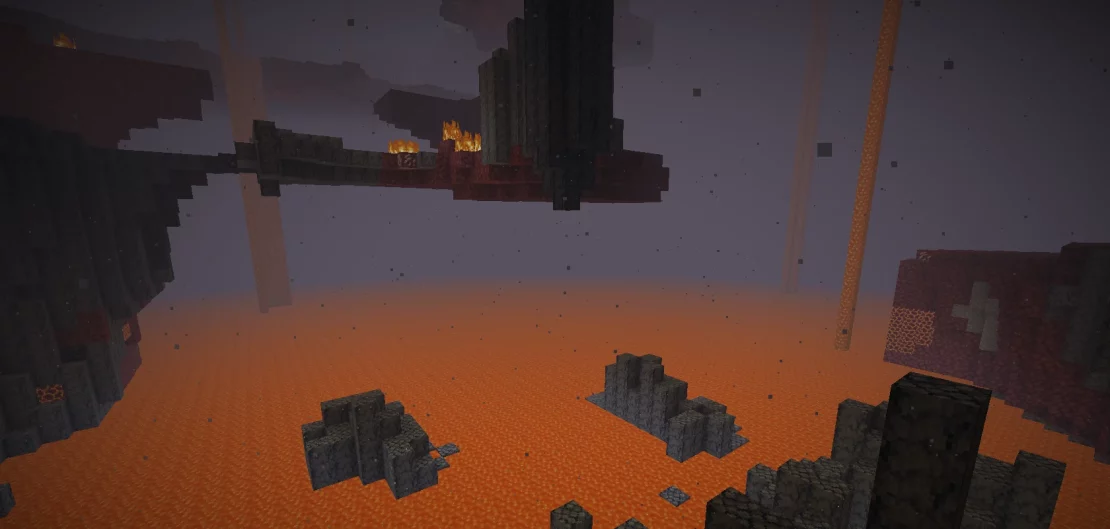
59. Basalt Deltas
It is a harsh volcanic region covered with basalt and blackstone. The air is filled with ash, and the terrain consists of irregular cliffs and lava lakes, resembling a massive active volcanic field full of hot fissures. Basalt Deltas is a dangerous place, as a large number of Magma Cubes spawn here.
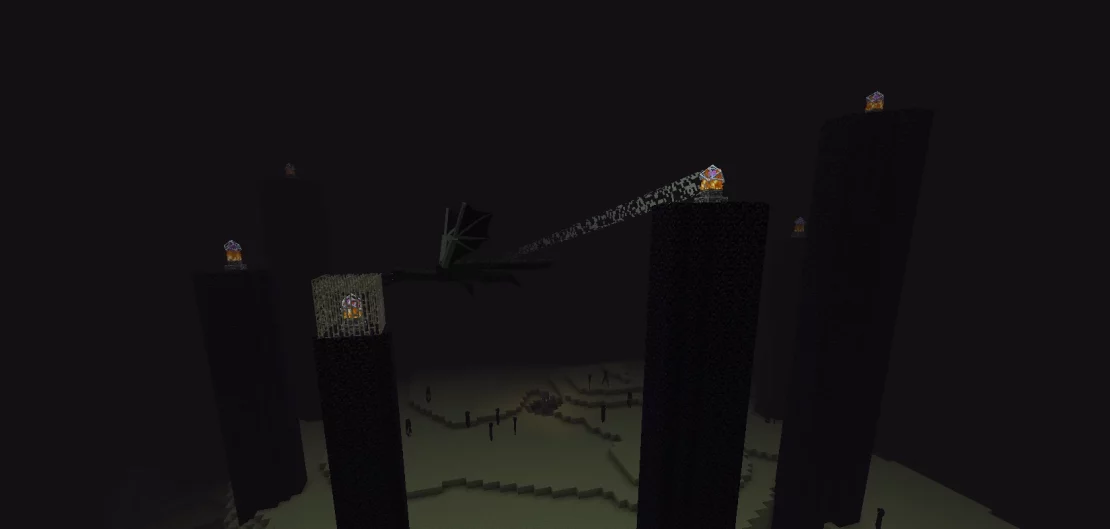
60. The End
The End is the final dimension of the Minecraft world, existing beyond the Overworld and the Nether. It is characterized by a barren, desert-like landscape made of end stone and floating islands suspended in the void. Eternal night prevails in this dimension, creating a calm yet unsettling atmosphere. It serves as the ultimate stage of the game’s progression. The main island is surrounded by smaller outer islands that can only be accessed after defeating the final boss.
Ender Dragon
The main boss of Minecraft is, of course, the Ender Dragon. It flies above the central island, attacking players while regenerating its health through End Crystals placed on obsidian pillars. Defeating the Ender Dragon unlocks further exploration of the dimension.
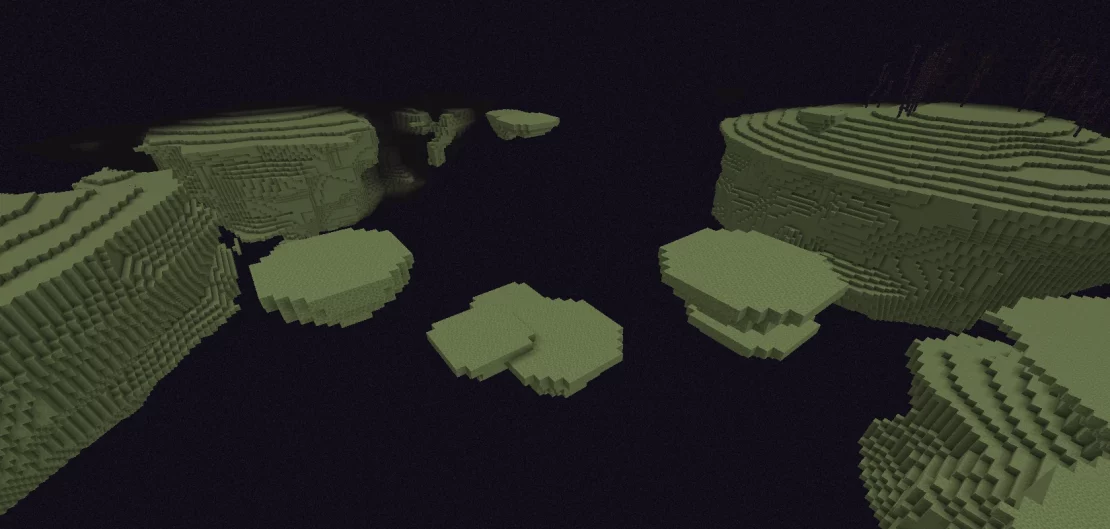
61. Small End Islands
Small islands floating on the outer edge of the End dimension, far from the main island. They are suspended above the endless void.
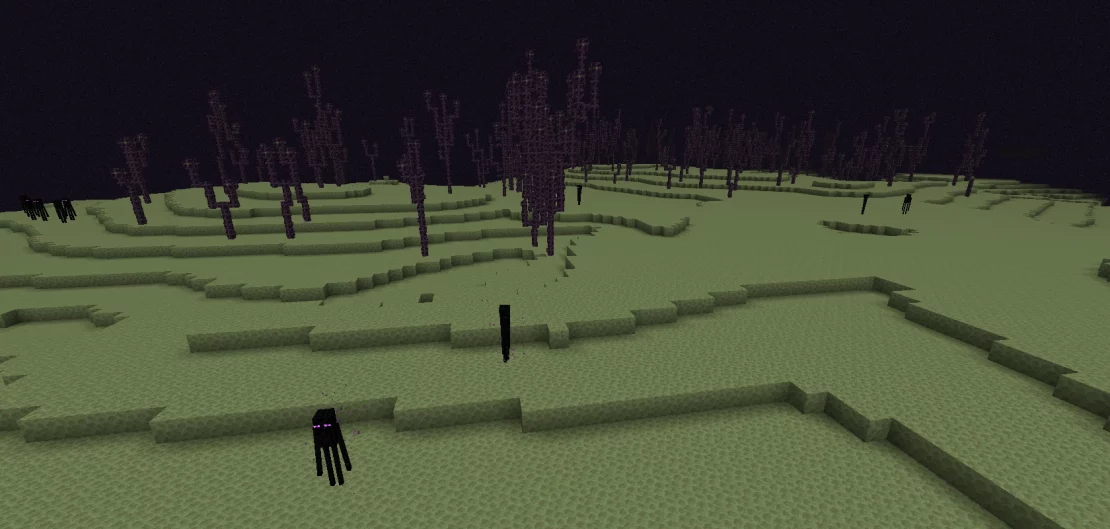
62. End Midlands
The End Midlands is a transitional zone in the End dimension, located between the small islands and the outer islands. The terrain here is larger and more stable than the Small End Islands, making it a potential location for structures to generate.
End Ships
End Ships are unique structures that can appear alongside End Cities specifically in the End Midlands biome. This is the only place in the game where players can obtain the Elytra.
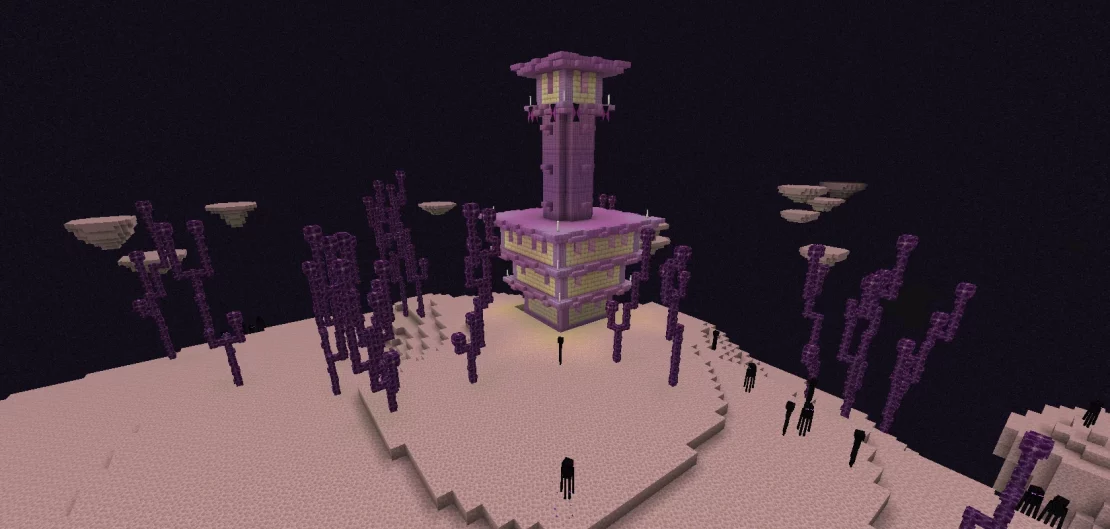
63. End Highlands
The End Highlands are the largest and most stable terrain in the entire End dimension, where most End Cities generate. This biome consists of vast islands and serves as the main area for exploration after defeating the Ender Dragon.
Chorus Plants
In the End Highlands, Chorus Plants naturally grow – unique plants that can be harvested to obtain chorus fruit, which, when smelted, is used to craft end rods and purpur blocks.
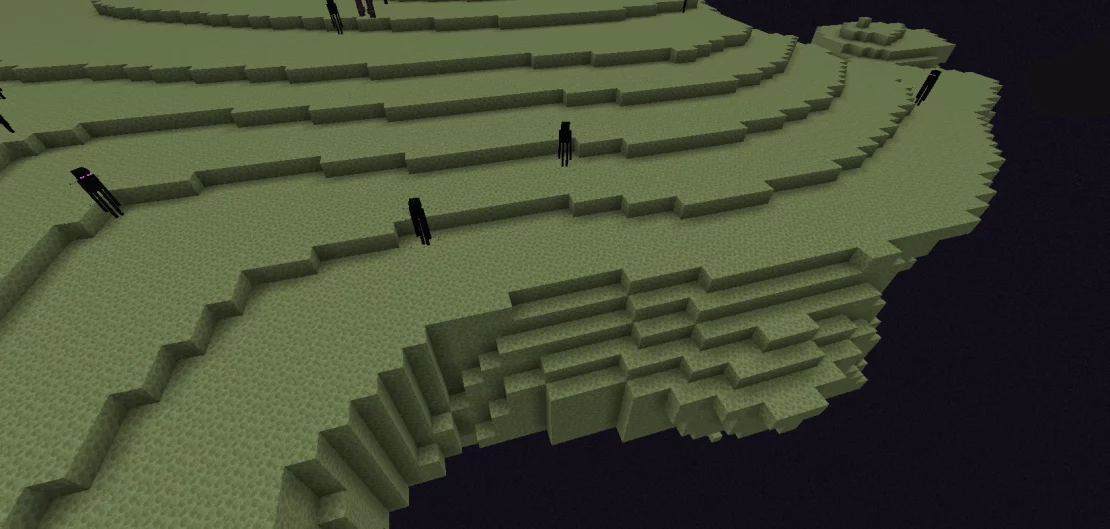
64. End Barrens
The End Barrens are narrow, barren islands surrounding other End biomes such as the End Highlands and End Midlands. They serve more as a transitional zone rather than a main area for exploration.
65. Sulfur Caves
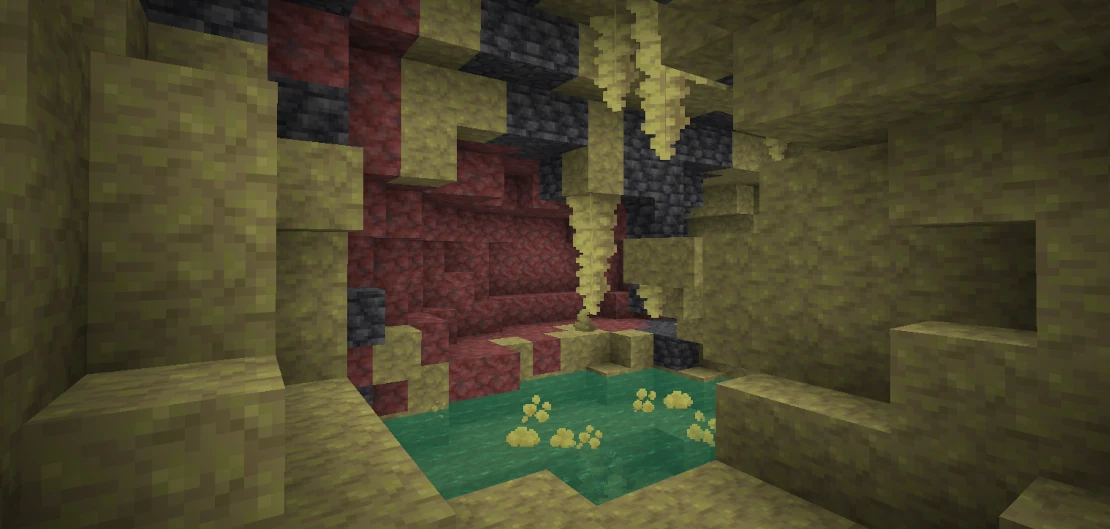
Sulfur Caves is an underground biome filled with yellow sulfur blocks and red cinnabar. In this biome, you can find toxic water pools that emit gas causing nausea. It is also the only biome where Sulfur Cubes can naturally spawn.