







In the world of Minecraft, villagers are some of the most recognizable and functional inhabitants in the entire game. Although they may look like ordinary, long-nosed peasants in tunics at first glance, their behavior system is actually one of the most complex mechanics in Minecraft. They’re more than just NPCs — they are active participants in the ecosystem who work, trade, and even reproduce.
In older versions of the game, villagers were rather simple-minded, but one major update significantly improved their mechanics. Since then:
- Villagers have professions tied to specific job site blocks
- Each villager follows a daily schedule — they work in the morning, relax around midday, and return home in the evening
- They sleep in beds, which must be both available and assigned
- They can breed, given the right conditions
- They have memory, meaning they remember the player who attacked them or the block they’re linked to
How to Breed Villagers
Villager breeding is based on simple rules, but it only works when specific conditions are met.
Here’s what you need to do to breed villagers:
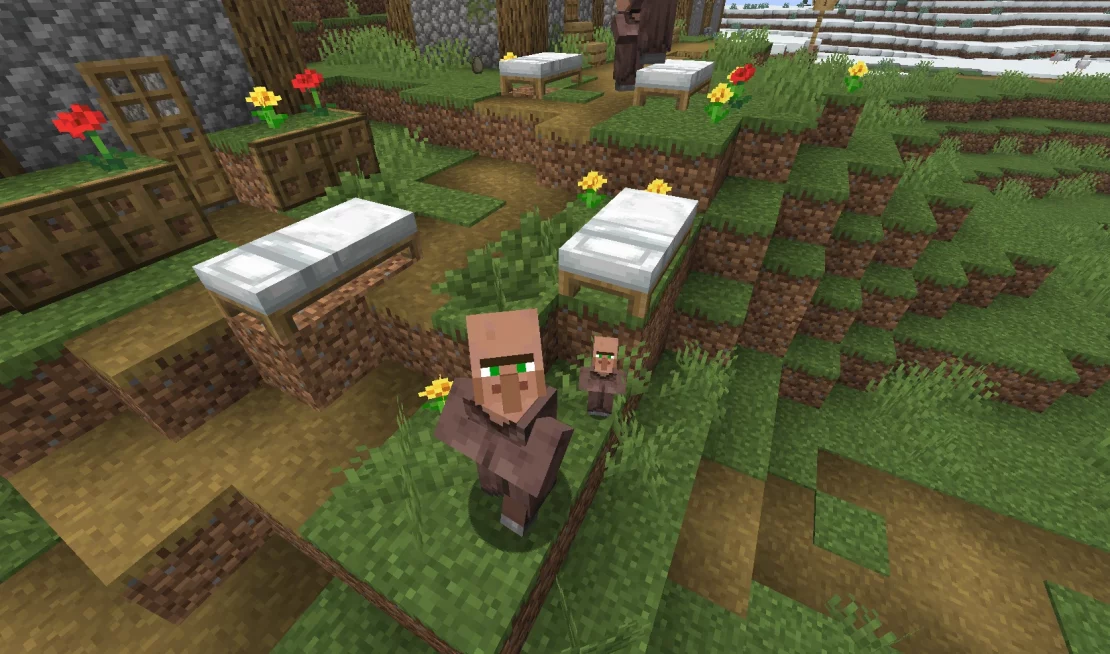
1. Build a closed space with plenty of room and a roof to keep zombies out.
2. Place at least two beds — two for the adults and one for the baby.
3. Throw food on the ground, giving each villager 3 bread or 12 carrots/potatoes/beetroots.
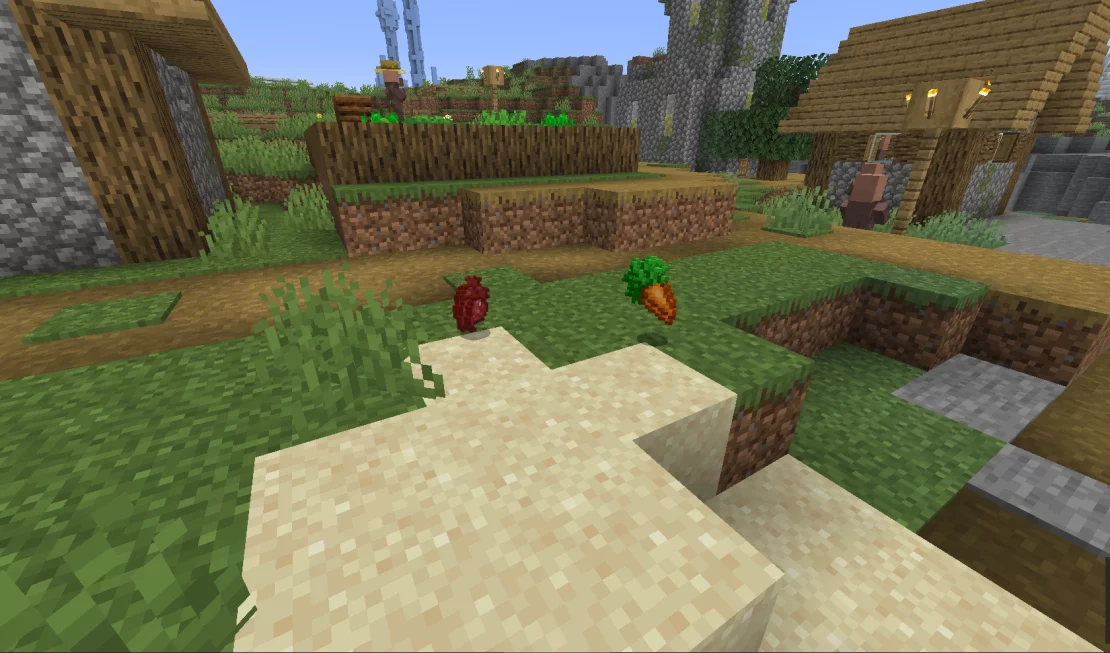
4. Bring the villagers close together — they need to be near each other to “talk.”
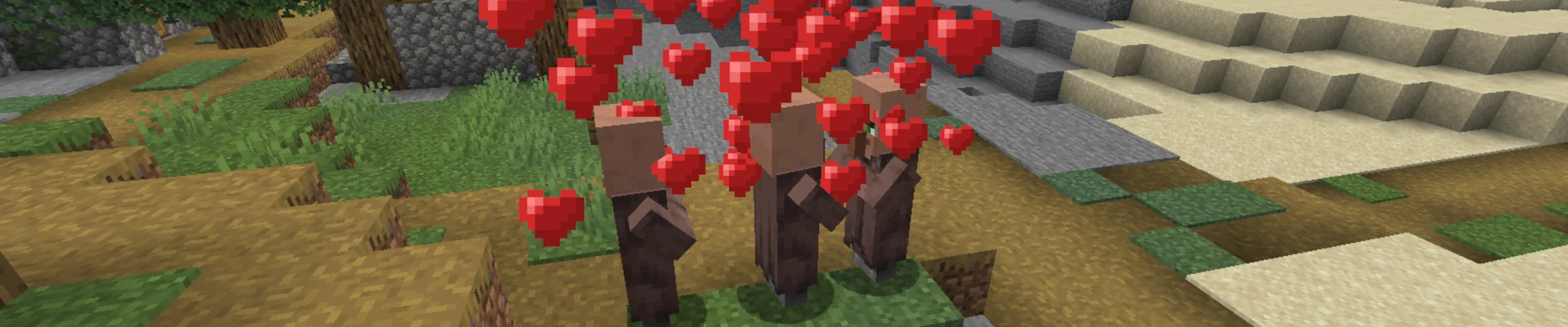
5. Wait for heart particles — if everything is set up correctly, a baby villager will appear shortly after.
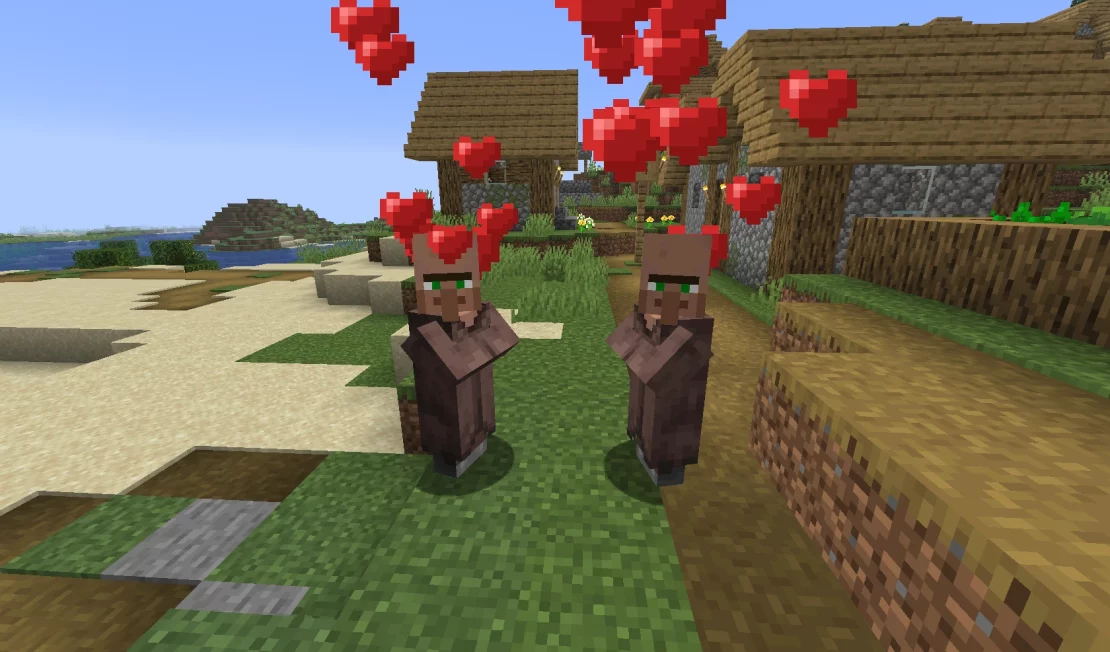
Two adult villagers can have a baby only if the following requirements are fulfilled:
- Both villagers are “willing”, meaning they have enough food in their inventory. Specifically:
- 3 bread, or
- 12 carrots, or
- 12 potatoes, or
- 12 beetroots
- There must be at least one unclaimed bed available in the village. Every villager needs their own assigned bed, and the baby also needs a new, unassigned bed. Without it, breeding won’t occur. Importantly, Minecraft checks if the bed is physically accessible (e.g. not blocked by a solid block above).
- Villagers must be close to each other, which typically means being in the same room or within a few blocks of each other. If they see one another, they will walk toward each other and trigger a short interaction. If successful, heart particles appear. If something goes wrong, angry cloud particles will show instead.
Only then will breeding take place, and the baby villager will appear automatically. Baby villagers take 20 in-game minutes to grow up. Once they become adults, they can take on a profession if there’s a free job site block nearby.
It’s important to note that breeding won’t happen if:
- The villagers are stressed (e.g., recently attacked by a zombie),
- There’s no available bed nearby,
- The food was dropped incorrectly (e.g., too far away or in bulk that wasn’t picked up properly).
Additionally, if there is a farmer villager in the village, he can harvest crops and share food with others, which can naturally trigger willingness and cause other villagers to breed without the player’s direct involvement.
How do Baby Villagers Behave
Baby villagers run around the village with a bit more energy than adults. You can often see them chasing after adult villagers or wandering near beds. Importantly, they cannot take on a profession or trade until they grow up.
During childhood, they are completely defenseless against threats like zombies. This makes them an easy target, so it’s crucial to provide them with shelter during their first minutes of life.
Although baby villagers don’t trade or work, they have great potential for players. Thanks to them, you can control the growth rate of your village and plan exactly when and how many adult villagers will be available in the future.