








In the world of Minecraft, color plays a huge role – from decorating bases and creating unique banners to dyeing wool, glass, armor, and even beds. One of the most common and iconic colors is red – bold, classic, and fitting for many building styles. Many players associate it mainly with poppies, but in reality, there are several different and effective ways to obtain it.
In this guide, we’ll take a closer look at all the ways to get red coloring in Minecraft – from the well-known methods to the more obscure ones. You’ll learn how to use both beetroots and flowers to ensure a steady supply of this essential item, no matter your playstyle or building ambitions.
Flowers – A Classic, Diverse Method
Using flowers is one of the most intuitive ways to obtain red color in Minecraft. They’re easy to find, don’t require any tools to collect, and grow naturally in almost every grassy biome. It’s a go-to method for both beginners and experienced players who need a quick and renewable source of pigment.
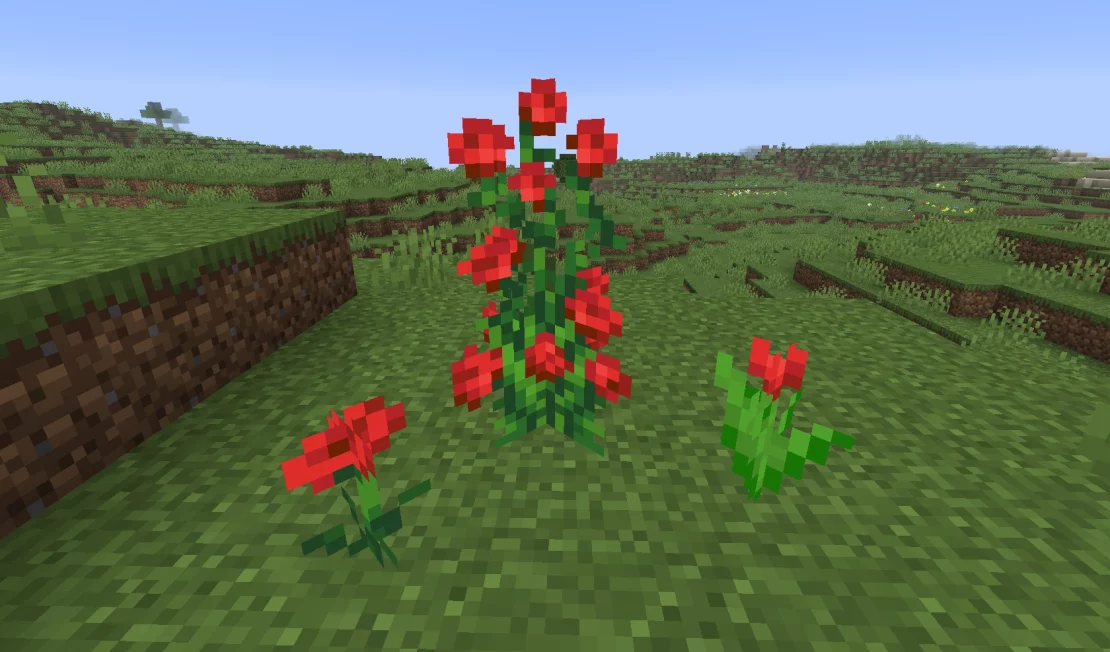
The most common flower used for this purpose is the poppy – a small, bright red plant that appears naturally on plains, in forests, and sometimes near villages. You can simply pick it by hand and place it into a Crafting Table to get a single portion of dye.
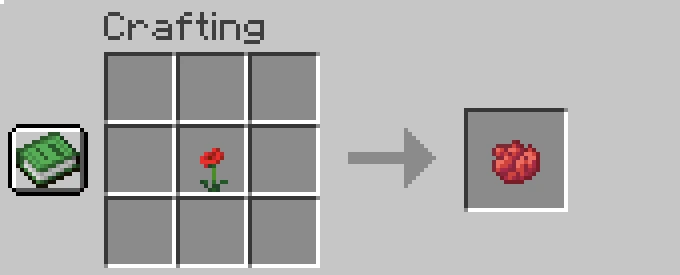
Another useful flower is the red tulip, which functions the same way as the poppy but is less common. You’ll mostly find it in Flower Forest, Meadow, and occasionally on hill biomes. It’s a good idea to collect them whenever you come across these areas.

The most efficient floral source of red pigment, however, is the rose bush – a tall, two-block plant that yields two units of dye when crafted. Unlike regular flowers, you don’t need to search for more once you’ve found one. Just place it on grass and apply bone meal directly to it — another bush will instantly grow next to it. With this method, you can easily create your own homegrown color farm that produces large amounts of dye without ever needing to explore further.
The Flower Forest biome is the best place to look for rose bushes. It’s packed with colorful flora, offering everything you might need in one location. Whether you’re just getting started or building a large-scale project, flower-based farming is a simple, renewable, and reliable way to keep your color supply stocked.
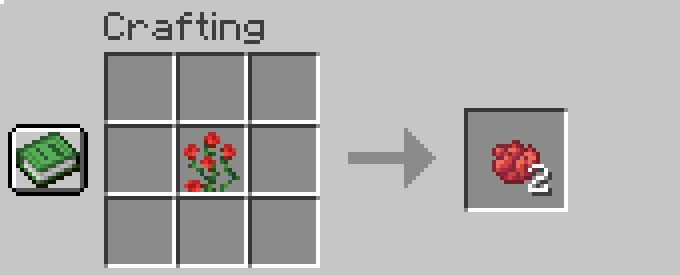
Beetroots – An Alternative Source of Color
Although most players associate red color with flowers, an equally effective – and often overlooked – method of obtaining it is through beetroots. This plant isn’t just edible; it can also serve as a convenient source of pigment. All you have to do is place a single beetroot into a Crafting Table to get one portion of red dye. Beetroots grow quickly and don’t require any special conditions – just tilled, hydrated soil and seeds.
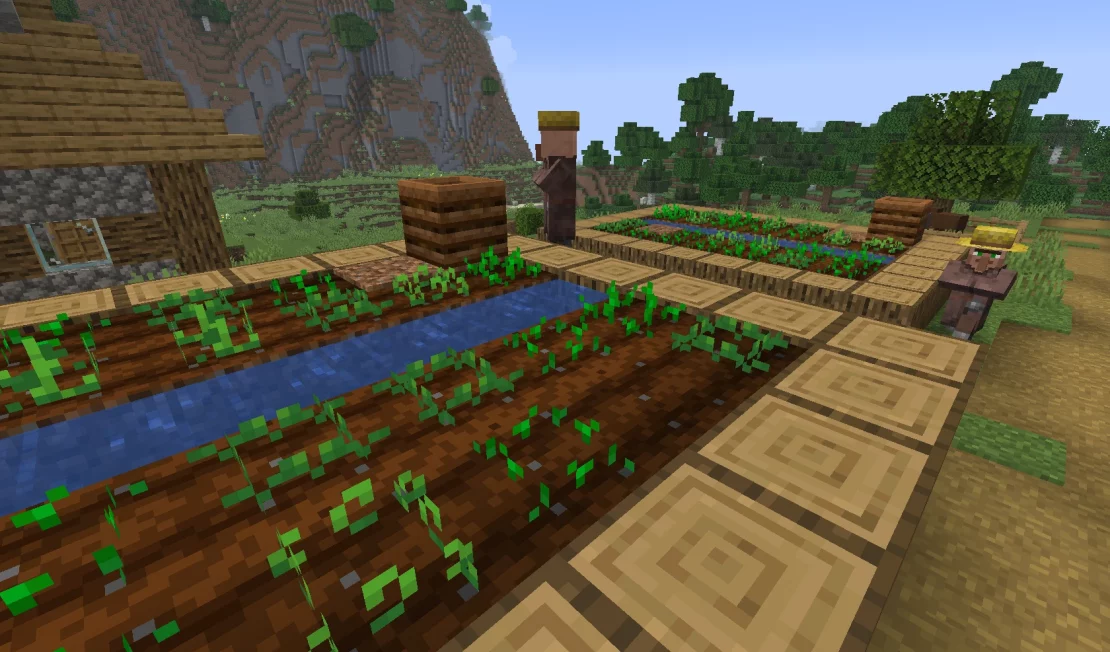
You can find them in villages, dungeon chests, or acquire them through trading with farmer villagers. Thanks to that, it’s possible to create a stable and renewable source of color without needing to chase flowers all over the world. And if you take it a step further by adding automation with NPC farmers and hoppers, you can turn your humble beetroot patch into a full-fledged color factory.